Hello!
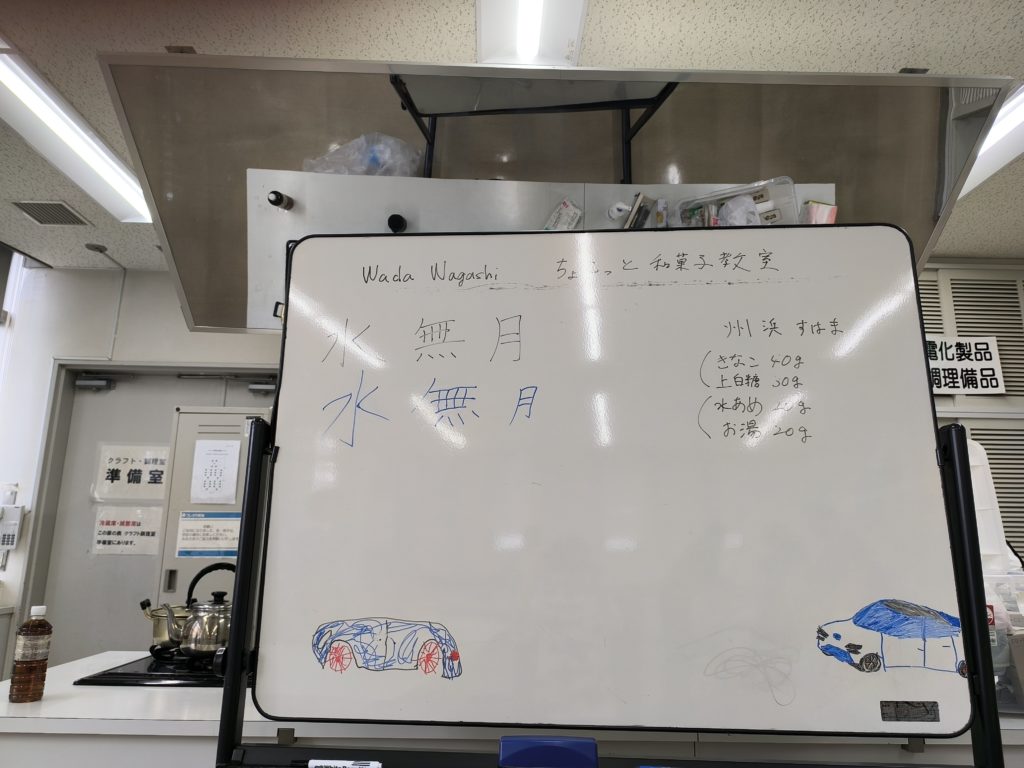
On June 8th, I launched a new wagashi workshop in Osaka called “Petit Wagashi Workshop.”
In this monthly class, we focus on one type of wagashi at a time—not only making the sweets by hand, but also learning about their background and history. It’s a hands-on lesson with a touch of cultural insight.
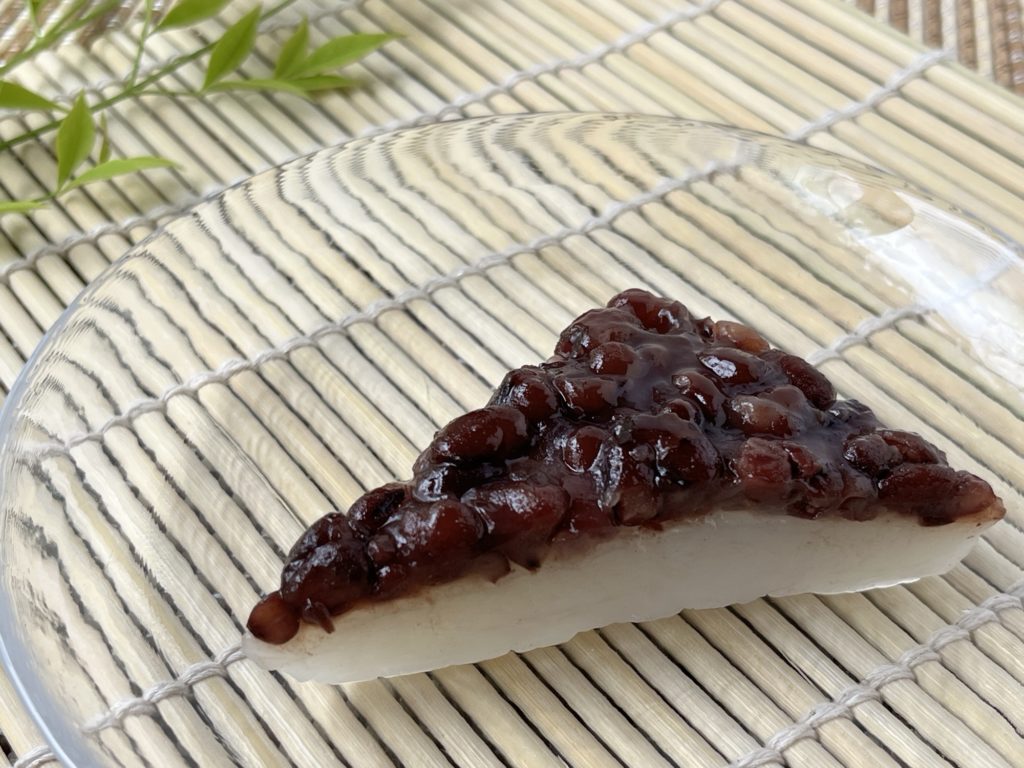
For our very first session, the theme was Minazuki, a traditional sweet enjoyed in June.
Making Learning Fun
Unlike previous wagashi workshops, this one included a longer lecture-style segment, so I put extra thought into keeping the experience enjoyable for everyone.
The explanation part about Minazuki was presented in a quiz format, with a few light-hearted moments sprinkled in to make learning feel natural and fun.
I also prepared printed handouts, carefully researched and compiled in advance, so participants could take home what they learned.
Fine-Tuning the Schedule Through Repeated Trial Runs
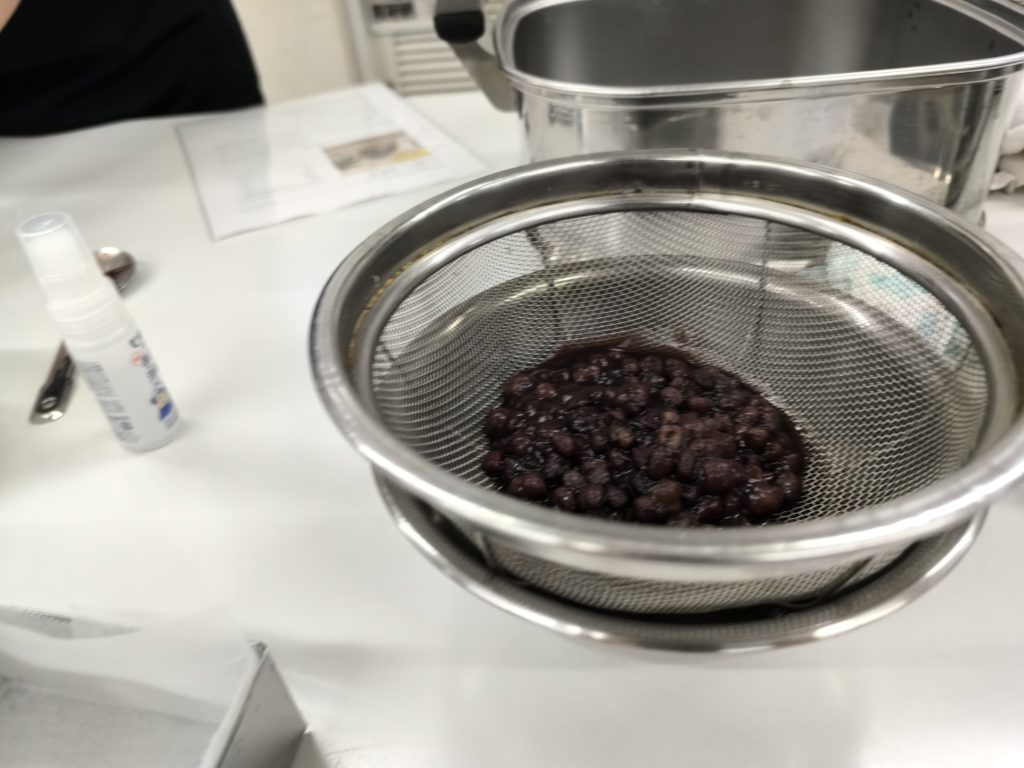
Since Minazuki takes time to prepare, I did several trial runs in advance to ensure the day would run smoothly.
I carefully calculated the steaming and cooling times, and adjusted the lecture segments to fit around them.
Balancing efficiency and enjoyment was the key to making this workshop a success.
An Unexpected Disaster…!
Everything was perfectly prepared for the big day.
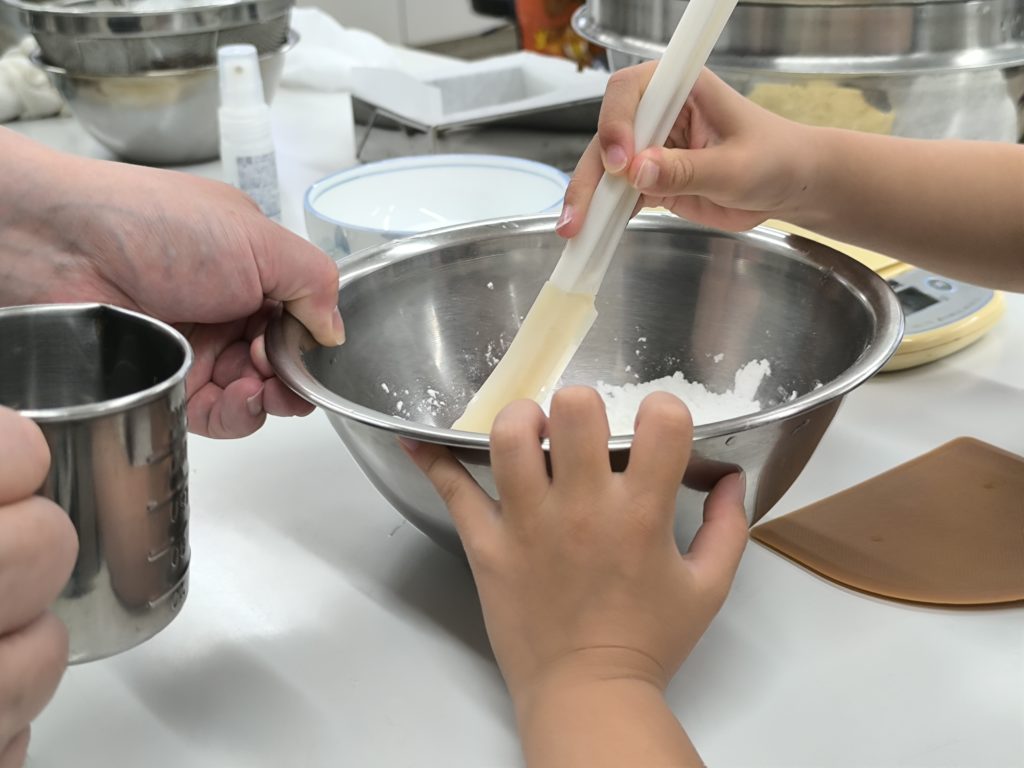
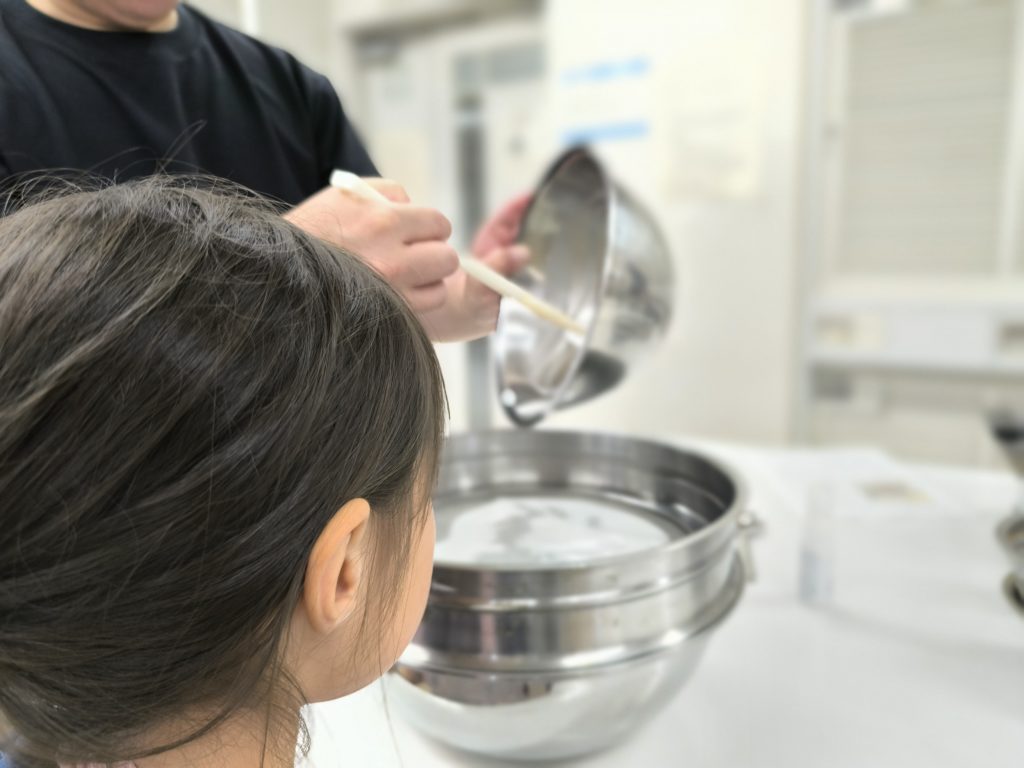
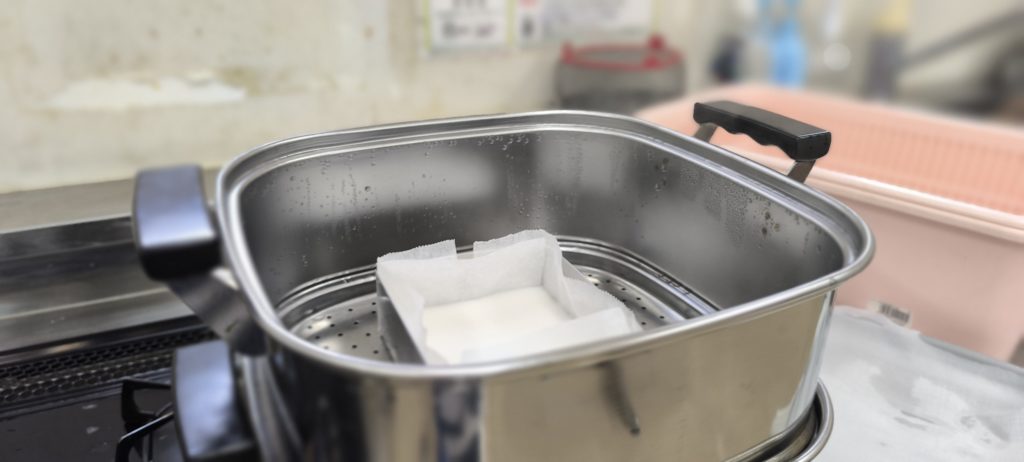
We began making the batter, poured it into the molds, and had just placed it into the steamer when I suddenly realized… I had forgotten to add the sugar!
It had already been steaming for about five minutes, and the batter had started to set—there was no way to fix it.
Panic set in, and my mind went completely blank. That’s when my wife, who was assisting me, gently said, “Stay calm. Can you make it again?”
Her words brought me back to my senses. I quickly recalculated the time and the steps. If we skipped the tasting session, I figured we could still make it in time. So, I measured out the ingredients again and started over.
I felt terribly sorry for the participants, but they kindly reassured me with words like, “It’s okay! You can just make it again!”—and I was truly, deeply touched by their warmth.
Learning Through Quizzes and Enjoying Hands-On Sweet Making
After restarting, everything went smoothly. We slightly shortened the lecture and quiz segments, but were still able to cover the essentials without any issues.
Everyone was fully engaged in the quiz, and I was thrilled to hear comments like “That was fun!” and “I actually learned a lot!”
Once the Minazuki was steamed, we packed it into boxes for participants to take home, where they could cut and enjoy it at their leisure.
A Second Treat: Making Suhama
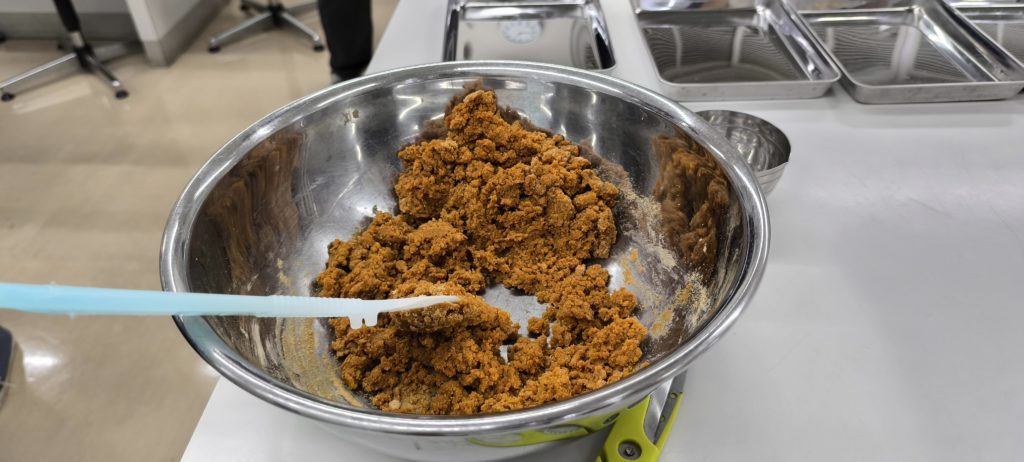
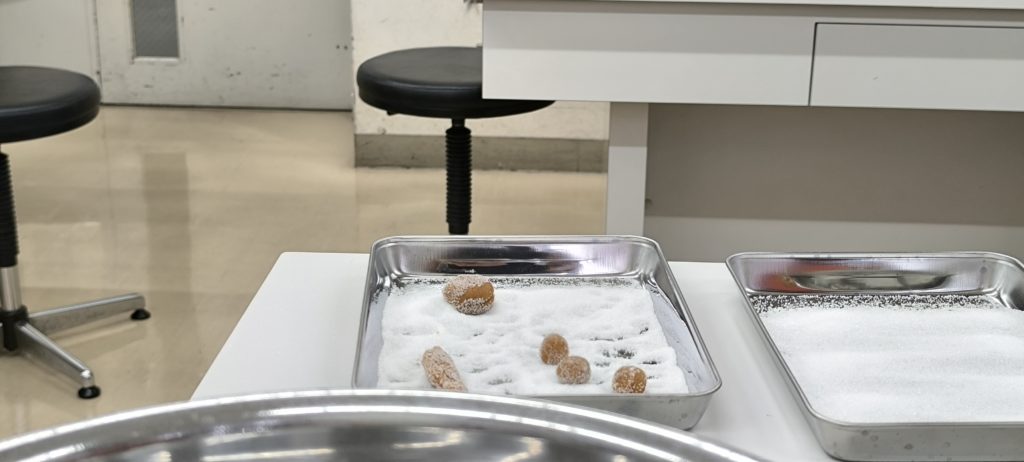
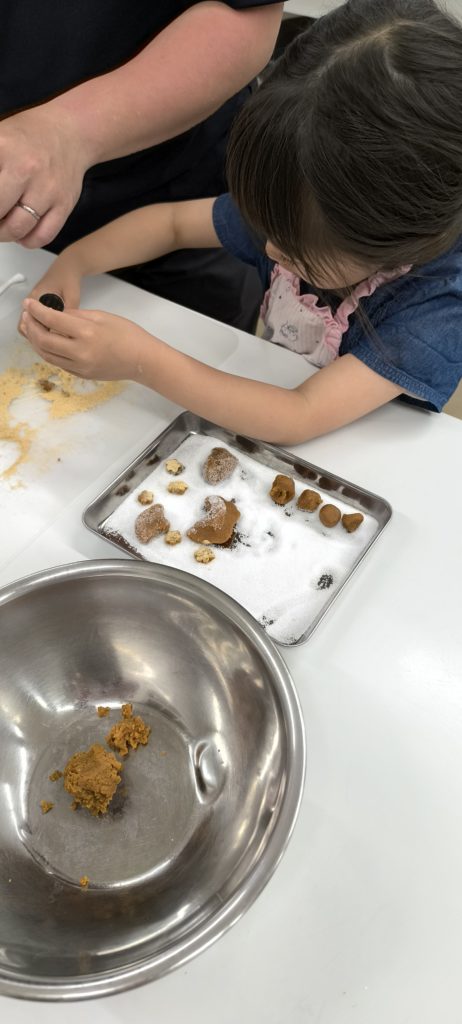
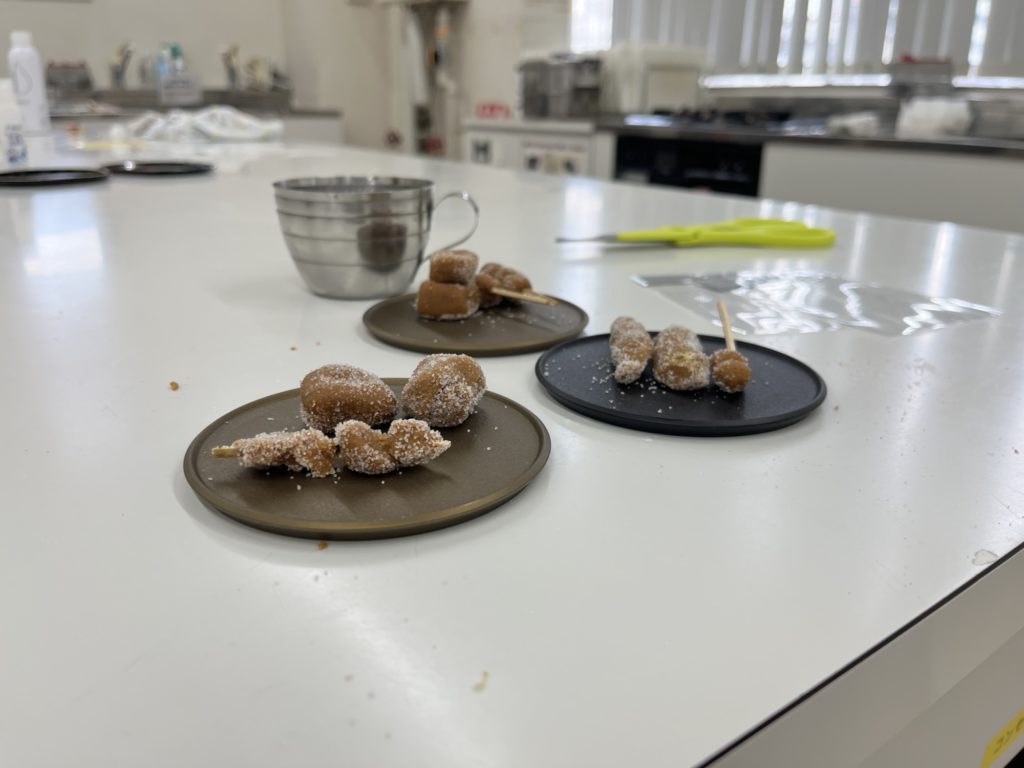
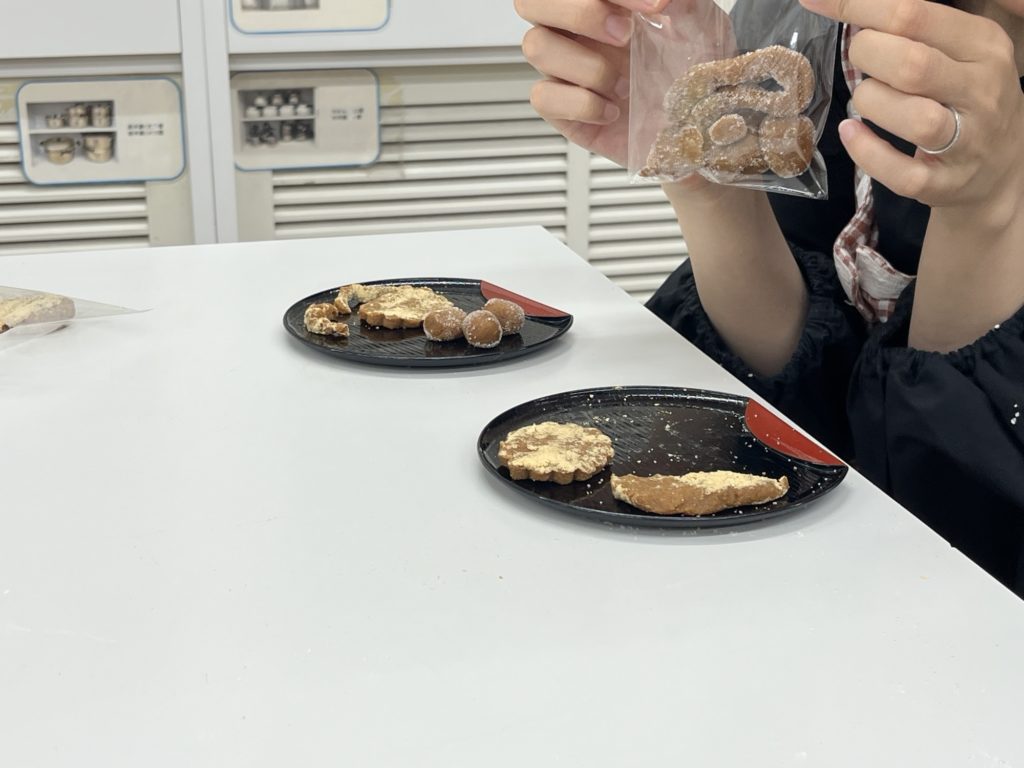
While the Minazuki was cooling, we also made Suhama—a semi-dry sweet made with roasted soybean flour (kinako).
It’s a playful, clay-like confection that can be shaped freely, and everyone had a great time molding it into their own unique creations.
It was especially popular with the children, who couldn’t resist sneaking a few bites as they worked.
One child even ate their entire portion before the official tasting—making for a heartwarming and memorable moment.
A Smooth Finish—Looking Ahead to Next Time
Though we were a bit rushed even during the cleanup, thanks to everyone’s help, the lesson wrapped up safely and successfully.
I’ll be sure to reflect on what could be improved and use those insights to make the next session even smoother and more enjoyable.
To everyone who participated—thank you so much!
I look forward to sharing another fun and delicious time together as we continue to explore the charm of wagashi!