First Children’s Wagashi Workshop
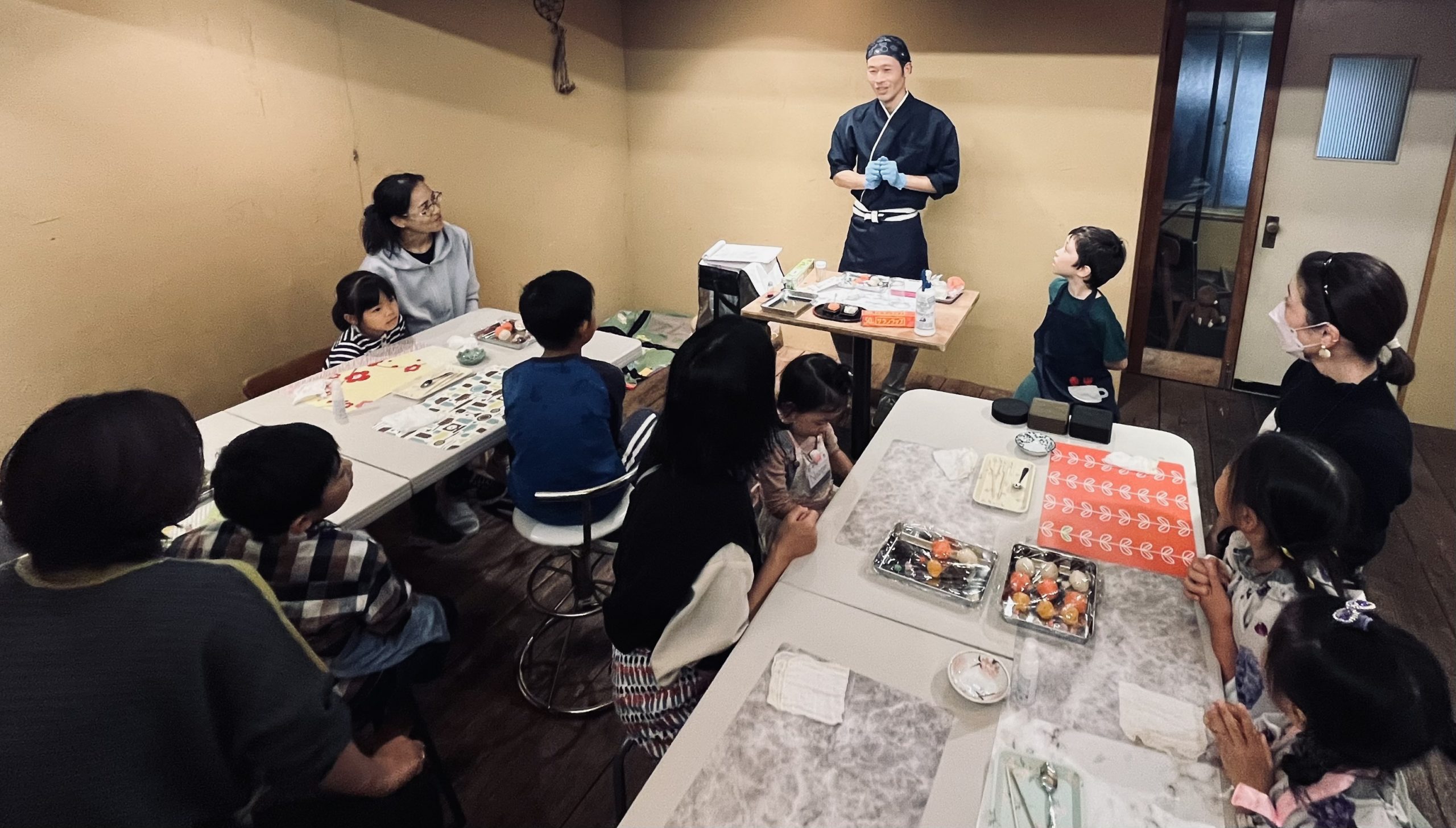
On October 21st, I hosted my very first children’s wagashi workshop. I used a local rental space in Nara City for the 2-hour workshop. Since it was my first attempt, I limited the participants to four families, totaling 8 attendees, including children.
You might be wondering why I decided to organize this children’s wagashi workshop. I had noticed that most Japanese children these days have limited exposure to traditional Japanese sweets like wagashi, despite being Japanese themselves. I wanted to educate the future generation, as they go on to represent Japan in the international community, about our traditional culture and enable them to proudly share Japanese culture with people from other countries.
A week before the event, I got the necessary tools and ingredients, prepared samples, and prepped the ingredients. On the day of the event, after I set up the tables and started preparing the materials for each table, the families started to arrive. As I portioned out the anko (sweet red bean paste), the children asked me lots of questions about the sweets. I was impressed with their curiosity and interest.
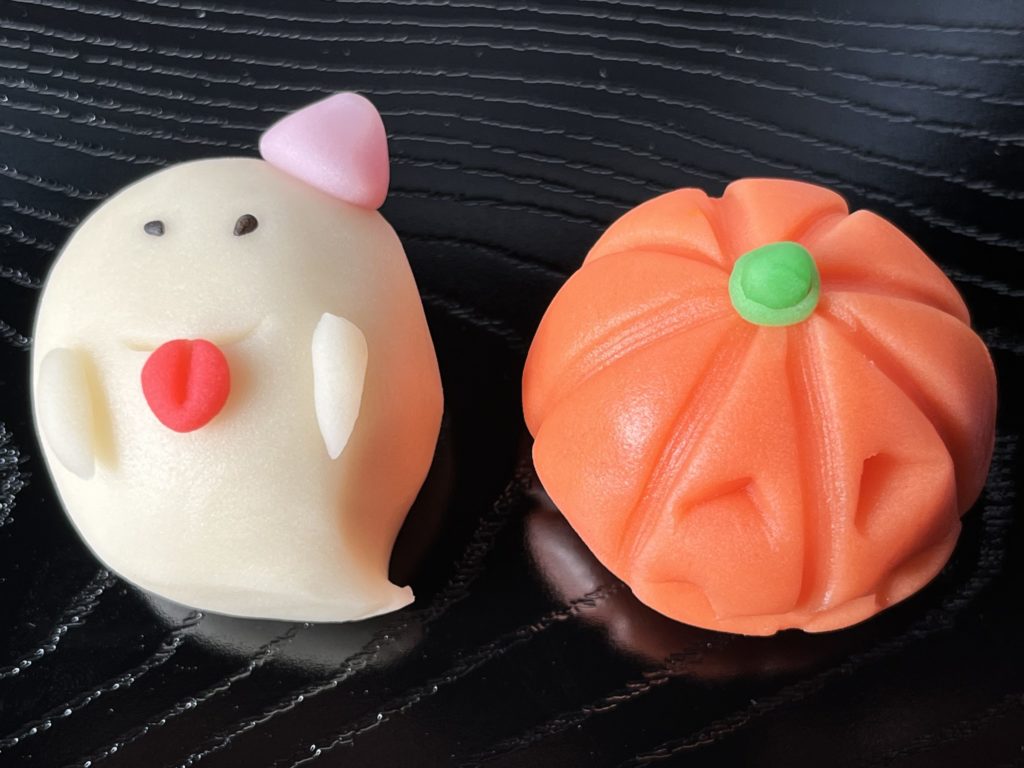
After a brief self-introduction, I introduced the sweet we would be making. We were working with nerikiri, a type of wagashi primarily used in tea ceremonies and meant to be enjoyed with matcha. Nerikiri is made by mixing white anko with a type of rice flour called shiratamako and can be molded into various shapes. This time, we crafted Halloween-themed nerikiri in two designs: Jack-o’-lanterns filled with pumpkin anko and ghosts filled with red bean anko.

I demonstrated the process, and together, we all made the sweets. Everyone was having fun, following my example and and infusing their own creativity. Once we finished, we enjoyed the nerikiri we had made with some tea. There was a lot of excitement, with participants taking photos and thoroughly enjoying their creations.
What struck me most during and after this workshop was how the children were much more interested in wagashi than I had initially thought, and the fact that they enjoyed what they created was very rewarding. It made me realize that there is still much more I can do in this field.
Before starting the wagashi class, I had a conversation with the moms about wagashi. I was surprised to hear them say that today’s children have many opportunities to try Western sweets, but hardly any experience with Japanese wagashi, and that some children don’t even know what wagashi is. I was shocked to learn that wagashi had become so obscure among children in Japan. At the same time, I felt that it might be my mission to provide a way for today’s Japanese children to appreciate the beauty of wagashi.
After this experience, I’m motivated to plan events that showcase seasonal traditional wagashi, like sakuramochi or anmitsu, and fun gatherings such as dorayaki parties where everyone can enjoy themselves. To all the participants in this event, thank you very much. Let’s continue to have enjoyable moments in the world of wagashi making.