We had our first workshop of the new year!
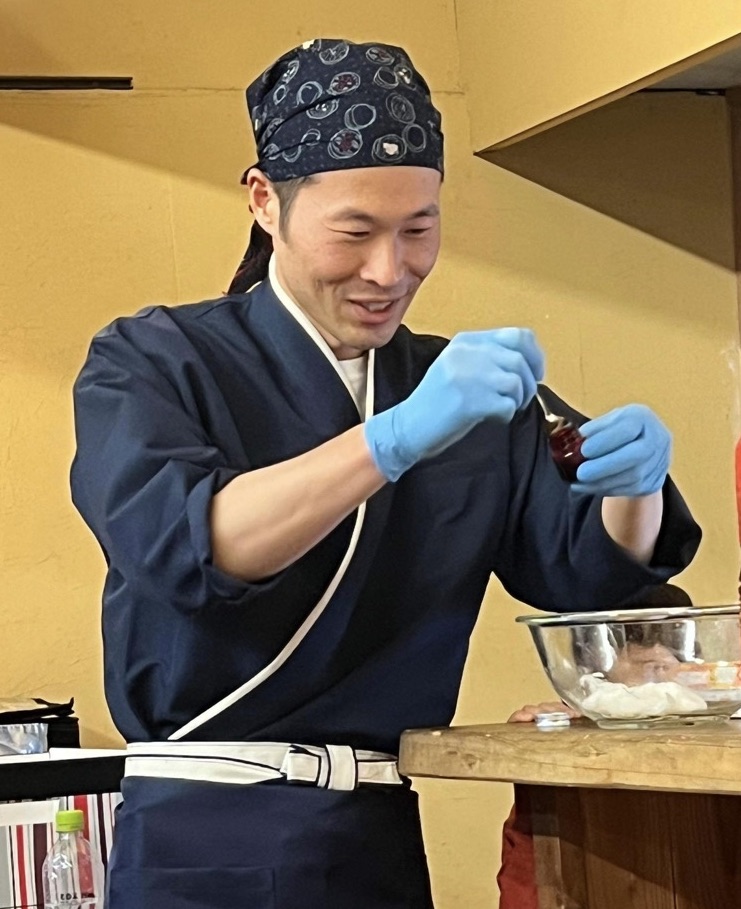
On January 13th, I held my third parent-child wagashi class. This time we made “Hanabira-mochi” and “Ume-shaped (Japanese plum) Nerikiri” to celebrate the New Year.
Hanabira-mochi is a limited-time sweet sold in wagashi shops during the New Year season. It’s known for being used in the Urasenke tea ceremony during the first tea ceremony of the New Year. This delightful treat consists of soft white and red mochi filled with miso-an paste and candied burdock root. The soft mochi texture, slight miso flavor, and burdock scent creates a harmonious blend of textures and flavors. I personally love this sweet – enough to devour ten at once!
For more details about Hanabira-mochi, you can check out a separate post here.
The second sweet we made was a Japanese plum blossom with nerikiri and filled with red bean paste. Lucky symbols during the New Year include pine, bamboo, and plum. Plum blossoms symbolize success and good fortune as they bloom ahead of other flowers in early spring. They endure the harsh winter and emit a pure fragrance, making them an auspicious symbol. And they’re actually my favorite flower!
So, these two sweets were chosen entirely based on my preferences. I love them and wanted to share them with others.
Back to the wagashi workshop itself, I took a personal challenge this time. Unlike previous sessions where we only used nerikiri to make two types of sweets, this time, I taught one “nama-gashi” (fresh sweet) from the start – preparing the the dough from scratch, mixing the ingredients, and cooking it. The other sweet was the nerikiri one. This made time management more critical, and a mistake in the arrangement could risk exceeding the allotted time.

So, I tested making the flower petal mochi at home to confirm how much time it would take. With a larger number of participants than before, we needed to make 20 servings. I found out that one batch of dough wouldn’t be enough for all 20, so we would need to prepare two batches. But, doing two batches would leave insufficient time to teach the second sweet. It was a dilemma.
After contemplating various options, I decided to prepare one batch of Hanabira-mochi dough in advance and bring it to the venue. During the workshop, we would only make the dough once.
On the day of the workshop, the children actively participated in making the Hanabira-mochi dough from scratch. They eagerly waited for their turn to mix the ingredients and cut out the shapes. I also taught everyone how to form the nerikiri plum blossom. The children and their parents worked together to wrap the filling and shape the blossom, creating a fun and memorable time. It was heartwarming to think that such moments may leave a lasting impression for both the kids and their parents.
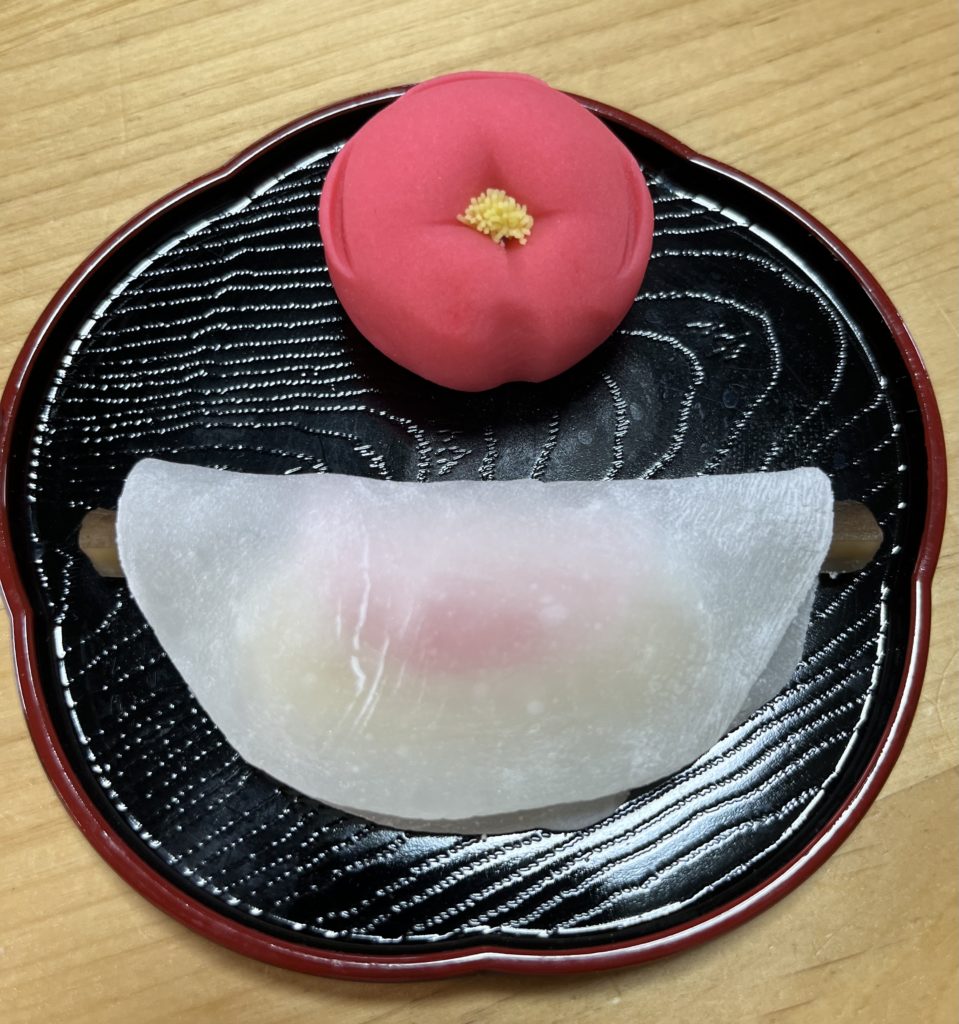
In the end, I could finish on schedule. It was a relief! Everyone enjoyed eating the sweets they made together with tea, as well as taking photos and spending quality time with one another. It was another delightful wagashi workshop, exactly as I imagined. Thank you, everyone who participated! The next workshop will be held in a larger venue with more participants, and the theme will be “Hinamatsuri” (Doll Festival).
Let’s continue to enjoy the delightful time of making wagashi together.