In ancient Japan, people were highly attuned to even subtle changes in nature. Key moments were the vernal and autumnal equinoxes, when day and night are the same length, and the summer and winter solstices, the longest day and night, respectively. The old calendar, based on the sun’s position and anchored around these four days, was divided into 24 solar terms and included events such as Major Heat, Grain Buds, and Cold Dew.
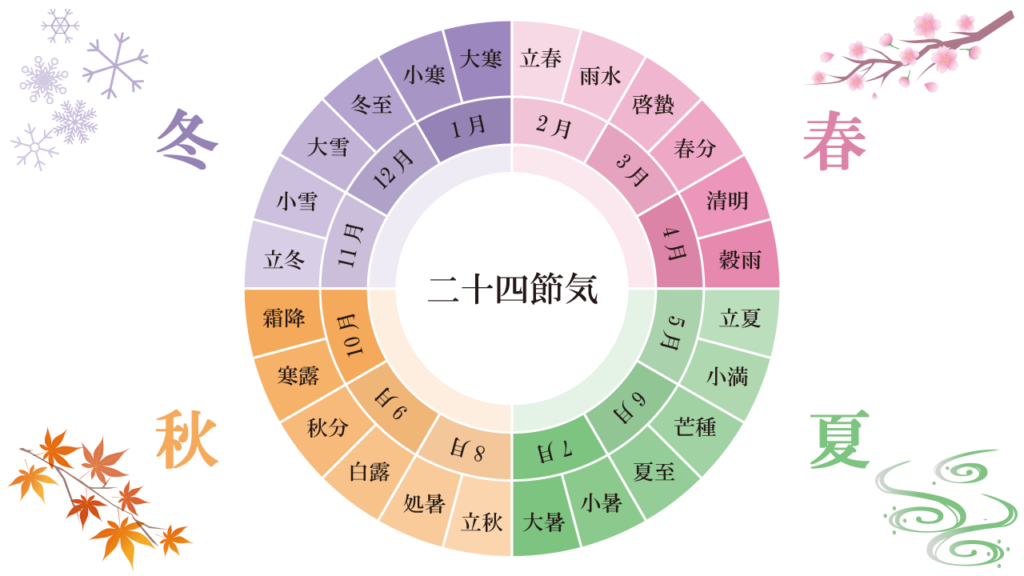
Each solar term was then further divided into three microseasons, breaking the calendar down into a total of 72 Microseasons. Each microseason spanned about four to six day and expressed the delicate transitions of the seasons with vivid phrases such as “the warbler begins to sing in the mountains” or “the safflowers start to bloom.”
In the world of Japanese wagashi, this meticulous seasonal transition is conveyed through confections. Not only are there sweets themed around the four seasons, but there are also treats inspired by each of the 24 solar terms and named after the 72 microseasons. These creations evoke a sense of seasonal change for those who admire them.
Depending on the shop, some confectioneries change their designs every two weeks or introduce new ones every ten days. The joy of visiting a Japanese wagashi shop lies in experiencing different designs with each visit. For instance, the design of cherry blossom sweets varies with the season – March features the typical five-petal design of Somei Yoshino, while April, with the blooming of double-flowered cherry blossoms, inspires designs based on these blossoms. As May approaches, designs shift to incorporate both petals and leaves, known as “hanabira momi” or scattered cherry blossoms with leaves.
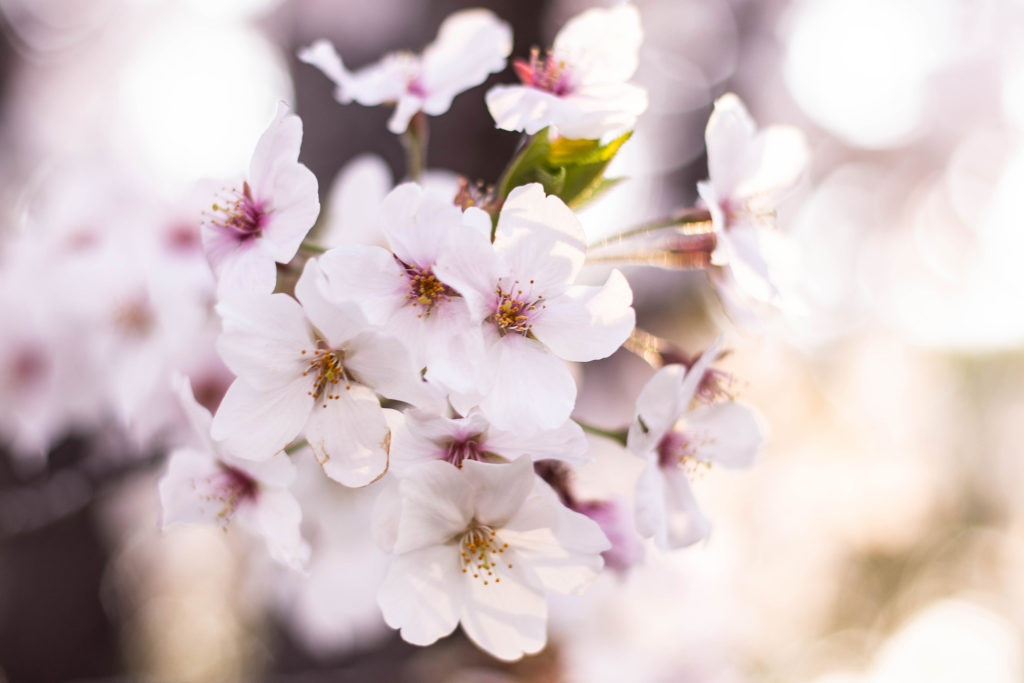
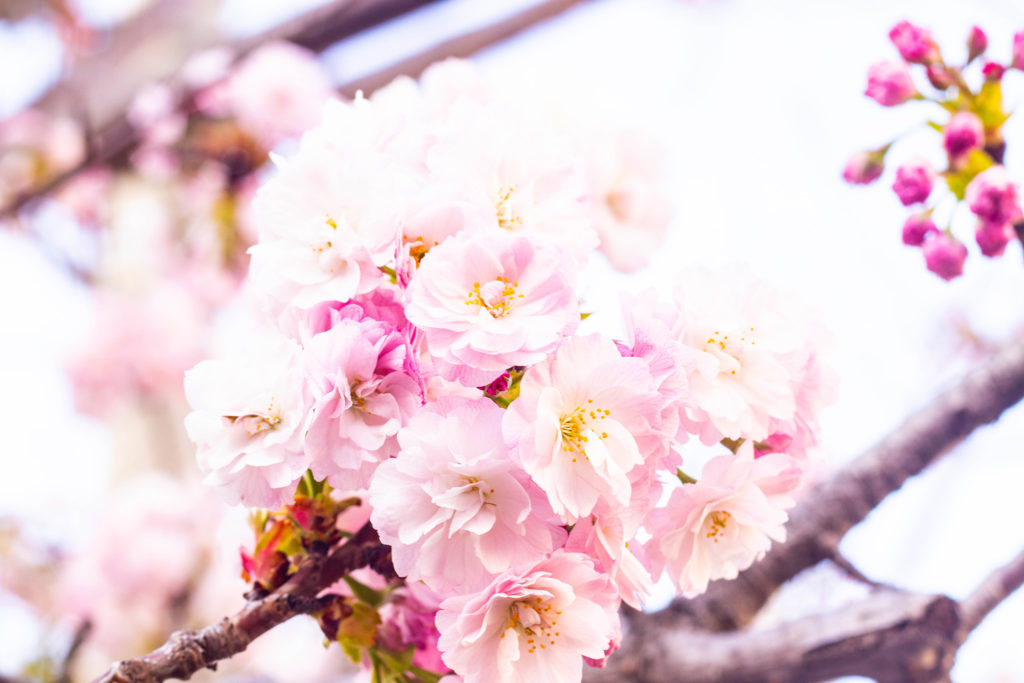
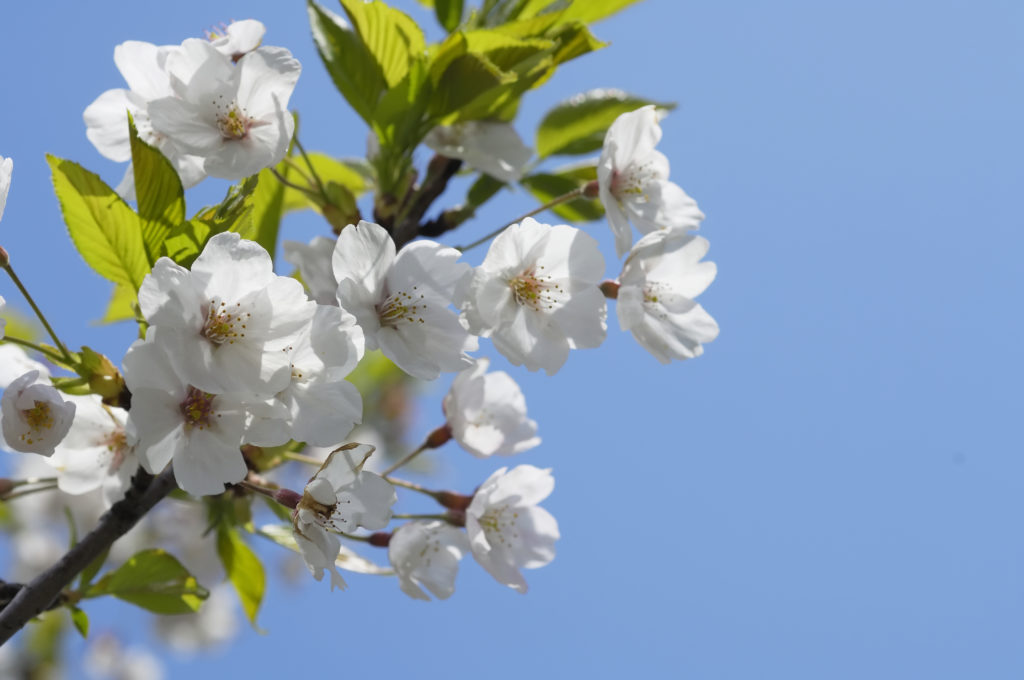
The charm of Japanese sweets lies in their ability to express the changing seasons in various ways even with a single motif, allowing one to imagine and enjoy the 24 solar terms and 72 microseasons.
Japanese wagashi chefs would be delighted if, while enjoying their sweets, people also imagined which solar term or microseason they are currently experiencing and anticipated the upcoming seasons.