culture

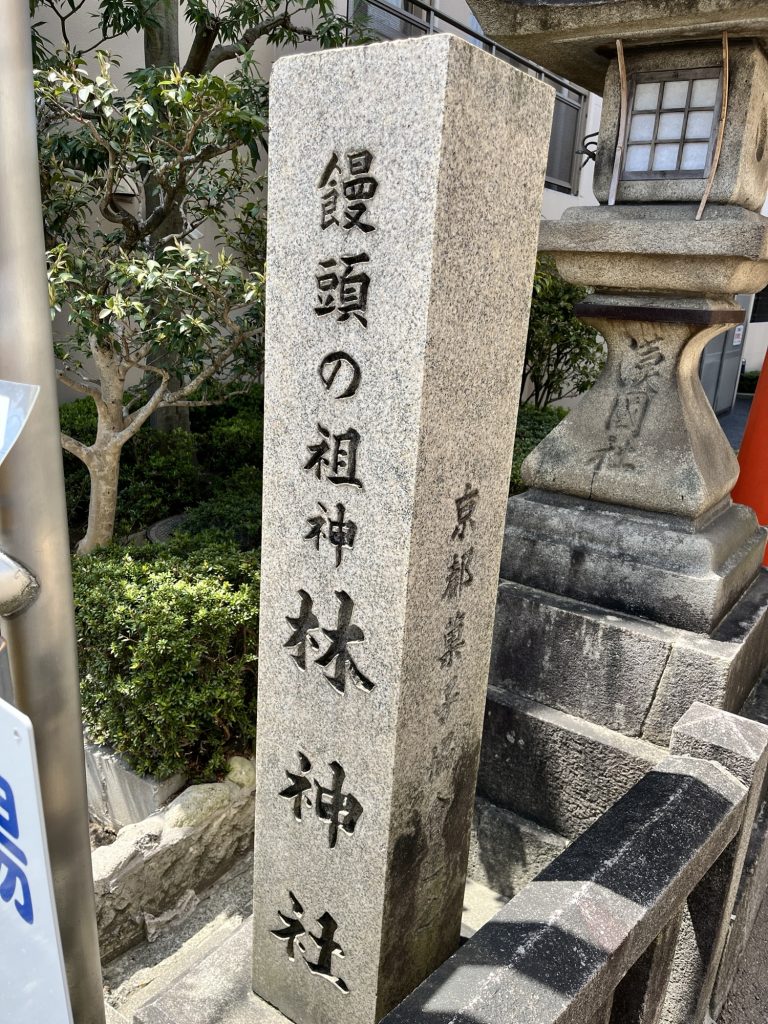
A Journey to Trace the Origins of Manju: To Hayashi Shrine in Nara

Hello everyone, This time, I traveled to Nara City in search of the roots of manju, one of Japan’s traditional sweets. Are you familiar with manju? It’s a soft, fluffy confection made by wrapping sweet red bean paste in dough and steaming it. In Japan, it’s a very familiar type of traditional wagashi (Japanese confectionery). Interestingly, the place considered to be the origin of manju is located in the heart of Nara City, Nara Prefecture. I followed the map to get there, but the place was so modest and tucked away that I almost walked right past it without realizing! Once I stepped through the entrance and into the grounds, […]

A Journey to Trace the Origins of Manju: To Hayashi Shrine in Nara Read More »
Kusa mochi

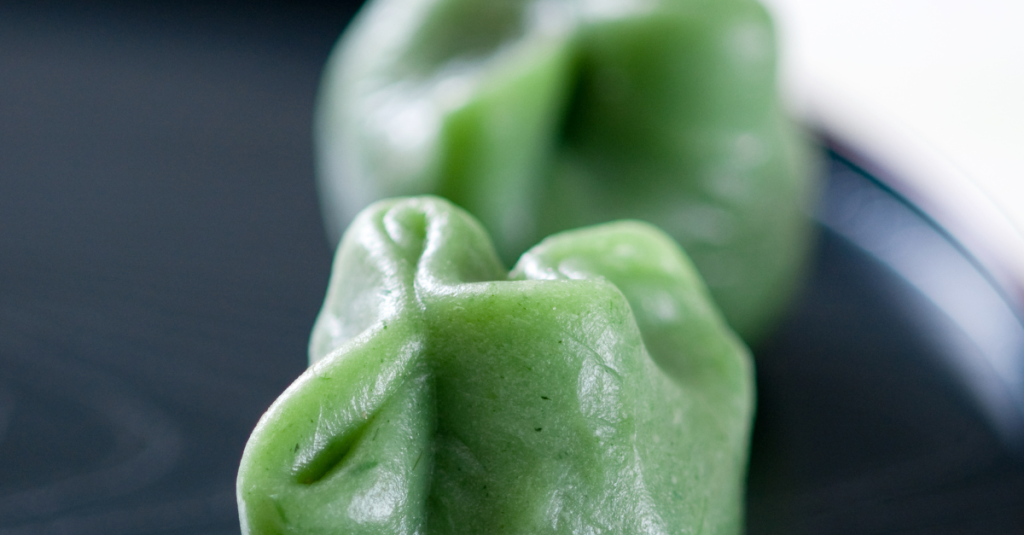
Hello everyone, When it comes to traditional Japanese sweets that signal the arrival of spring, kusa mochi (mugwort rice cakes) surely come to mind. Their gentle flavor, with the soft aroma of mugwort spreading through each bite, has been loved by many for generations. In this article, we’ll explore the charm, history, and famous shops of kusa mochi. What is Kusa Mochi? Kusa mochi is rice cake kneaded with boiled leaves such as yomogi (Japanese mugwort). There are various types—some with sweet red bean paste (anko) inside, others with anko served on top or on the side. Known as a symbol of spring in Japan, kusa mochi is a traditional

Kusa mochi Read More »

Hina matsuri – Girls’ festival

Hello everyone, March 3rd is “Hina Matsuri,” also known as the Girls’ Festival. It is a traditional Japanese celebration wishing for the healthy growth and happiness of girls. During Hina Matsuri, it is customary to display hina dolls and enjoy special foods. Today, I will introduce the origin of Hina Matsuri and how people celebrate it! the origin of hina matsuri The history of Hina Matsuri dates back over 1,000 years to the Heian period. Originally, there was a custom called “Nagashi-bina,” where paper dolls (called hitogata) were floated down rivers to ward off evil spirits. This practice gradually evolved, eventually transforming into the current tradition of displaying hina dolls.。

Hina matsuri – Girls’ festival Read More »

Shichi-Go-San

Hello everyone, The temperature has dropped significantly, and it feels more like autumn now. October is coming to an end, and November is just around the corner. One of the notable events in November in Japan is Shichi-Go-San. Shichi-Go-San (七五三) is one of Japan’s traditional ceremonies that has been celebrated for a long time. Although there are regional variations, it is basically a tradition for three-year-old girls, five-year-old boys, and seven-year-old girls and their families to visit shrines on November 15th to express gratitude and celebrate the growth of the children. the origin of Shichi-Go-San There are various theories regarding the origins of Shichi-Go-San, but it is said to be

Shichi-Go-San Read More »

issho mochi

Hello, everyone! In Japan, there are many celebrations to mark children’s growth, and today I would like to talk about one of them, “issho mochi. What is issho mochi? “Issho mochi” generally refers to a round rice cake (mochi) made from one shō (about 1.8 liters) of glutinous rice, used to celebrate a child’s first birthday. Issho mochi is also commonly used in celebrations like New Year’s and the construction ceremony of a house. Its round shape is likened to one of the Three Sacred Treasures, the “Yata no Kagami,” and it’s also called “kagamimochi.”It’s not commonly known, but kagamimochi and issho mochi are the same thing! While it is

issho mochi Read More »

another Otsukimi?

Hello everyone, are you familiar with ‘Jūsanya’ (the Thirteenth Night)? The one that’s widely known is ‘Jūgoya’ (the Fifteenth Night), right? Jūgoya is also called ‘Chūshun no Meigetsu’ (the Harvest Moon), and there’s a tradition of moon viewing called ‘Tsukimi,’ where people enjoy delicious rice dumplings while admiring the full autumn moon. In fact, besides Jūgoya, there is a unique Japanese tradition called ‘Jūsanya.’ That’s what I’m here to tell you about this time. what is Jūsanya? Jūsanya refers to the night of the 13th to 14th of the old lunar calendar. While Jūgoya is a custom that originated in China, Jūsanya began in Japan. On Jūgoya, people pray to

another Otsukimi? Read More »

Ohagi

Hello! Even though it’s officially autumn on the calendar, we’re still experiencing some hot days. As the saying goes, “The heat and cold last until Higan.” I’m hopeful that temperatures will start to drop soon. Right now, Japan is in the season of Higan. Higan occurs twice a year, in spring and autumn, encompassing three days before and after the equinoxes. During this time, it’s customary to honor our ancestors, often by visiting graves or offering food at family altars. A traditional sweet enjoyed during Higan is called “ohagi.” Today, I’d like to talk about ohagi. What is ohagi? Ohagi is made from a mixture of mochi rice and regular

Ohagi Read More »

Otsukimi

In Japan, the tradition of offering dumplings, rice cakes, pampas grass, and taro to the moon while gazing at it is called “Otsukimi,” or moon viewing. The tradition of “Otsukimi” is believed to have been introduced from China during the Heian period. Initially, it was a sophisticated event where nobles enjoyed the full moon while sharing sake. By the Edo period, this custom spread to the common people, who began to celebrate the autumn harvest and pray for a bountiful year ahead by offering dumplings shaped like the moon. Originally, the tradition in China was to pray for family happiness, but in Japan, it evolved into a celebration of a

Otsukimi Read More »