Sweets

Kusa mochi

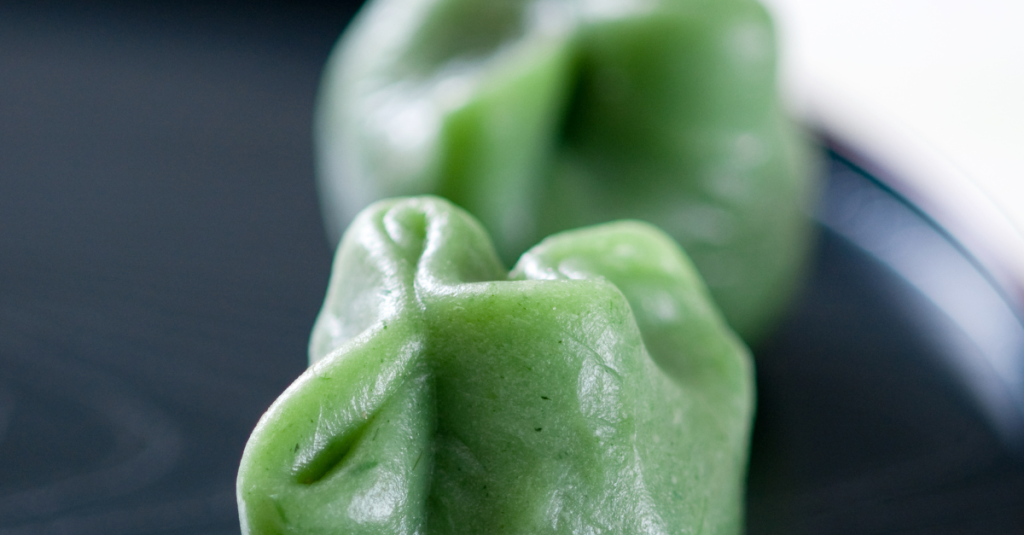
Hello everyone, When it comes to traditional Japanese sweets that signal the arrival of spring, kusa mochi (mugwort rice cakes) surely come to mind. Their gentle flavor, with the soft aroma of mugwort spreading through each bite, has been loved by many for generations. In this article, we’ll explore the charm, history, and famous shops of kusa mochi. What is Kusa Mochi? Kusa mochi is rice cake kneaded with boiled leaves such as yomogi (Japanese mugwort). There are various types—some with sweet red bean paste (anko) inside, others with anko served on top or on the side. Known as a symbol of spring in Japan, kusa mochi is a traditional […]

Kusa mochi Read More »

Spring’s Messenger – Uguisu Mochi

Hello everyone, It feels like the new year just started, and now January is already coming to an end. The cold weather is still harsh, and we’re all eagerly waiting for the arrival of spring. As the cold begins to ease and the first signs of spring start to appear, one of the traditional treats you’ll see at wagashi shops is uguisu mochi. This elegant treat consists of soft gyuhi (a type of chewy rice dough) wrapped around sweet red bean paste, and is dusted with roasted soybean flour or green soybean flour. Today, I’d like to share with you the origin and preparation method of this seasonal delicacy that

Spring’s Messenger – Uguisu Mochi Read More »

another Otsukimi?

Hello everyone, are you familiar with ‘Jūsanya’ (the Thirteenth Night)? The one that’s widely known is ‘Jūgoya’ (the Fifteenth Night), right? Jūgoya is also called ‘Chūshun no Meigetsu’ (the Harvest Moon), and there’s a tradition of moon viewing called ‘Tsukimi,’ where people enjoy delicious rice dumplings while admiring the full autumn moon. In fact, besides Jūgoya, there is a unique Japanese tradition called ‘Jūsanya.’ That’s what I’m here to tell you about this time. what is Jūsanya? Jūsanya refers to the night of the 13th to 14th of the old lunar calendar. While Jūgoya is a custom that originated in China, Jūsanya began in Japan. On Jūgoya, people pray to

another Otsukimi? Read More »

Ohagi

Hello! Even though it’s officially autumn on the calendar, we’re still experiencing some hot days. As the saying goes, “The heat and cold last until Higan.” I’m hopeful that temperatures will start to drop soon. Right now, Japan is in the season of Higan. Higan occurs twice a year, in spring and autumn, encompassing three days before and after the equinoxes. During this time, it’s customary to honor our ancestors, often by visiting graves or offering food at family altars. A traditional sweet enjoyed during Higan is called “ohagi.” Today, I’d like to talk about ohagi. What is ohagi? Ohagi is made from a mixture of mochi rice and regular

Ohagi Read More »

Otsukimi

In Japan, the tradition of offering dumplings, rice cakes, pampas grass, and taro to the moon while gazing at it is called “Otsukimi,” or moon viewing. The tradition of “Otsukimi” is believed to have been introduced from China during the Heian period. Initially, it was a sophisticated event where nobles enjoyed the full moon while sharing sake. By the Edo period, this custom spread to the common people, who began to celebrate the autumn harvest and pray for a bountiful year ahead by offering dumplings shaped like the moon. Originally, the tradition in China was to pray for family happiness, but in Japan, it evolved into a celebration of a

Otsukimi Read More »

tango no sekku

The tradition of Tango no Sekku, or the Boys’ Festival, originates from the story of Qu Yuan, a close aide to the king of the Chu state in China around 2300 years ago. Qu Yuan (340 BC – 278 BC) was a politician and poet known for his strong sense of justice and love for his country, which garnered him widespread admiration. However, Qu Yuan fell out of favor due to political machinations and was eventually exiled from his homeland. Disheartened by the fate of his country, Qu Yuan drowned himself in the Miluo River. The people of Chu attempted to save him by sending out boats, beating drums to

tango no sekku Read More »

What is Sakura Mochi?

When spring arrives and cherry blossoms bloom, many Japanese people crave “sakura mochi,” a representative spring wagashi. It’s a classic spring treat, and seeing it in stores signifies the arrival of spring. Sakura mochi is enjoyed nationwide, but did you know there are actually two types of this confectionery? One is the Kanto-style sakura mochi, originating from Tokyo. And the other is the Kansai-style sakura mochi, originating from Osaka. Aside from both being wrapped in salted cherry leaves, their ingredients and shapes are completely different. How did these two types of sakura mochi come about? Let’s explore the history of sakura mochi! Origin of Kanto-style Sakura Mochi The origin of

What is Sakura Mochi? Read More »

Hanabira-mochi

Happy 2024! It’s a new year and that means it’s time for Hanabira-mochi. This is a fresh wagashi that can been seen for sale in shops around Japan for the new year season. It’s one of my personal favorites, so allow me to tell you about it. First off, let’s start with the very basics. What is “Hanabira”? Hanabira means petal. “Hanabira-mochi” expresses a petal of the Japanese plum flower, which blooms in winter. Sounds so fascinating! Hanabira-mochi is made with white and pink mochi, candied burdock root, and sweet miso paste (a mix of white miso and white beans paste). The mochi is rolled out and cut into circles.

Hanabira-mochi Read More »