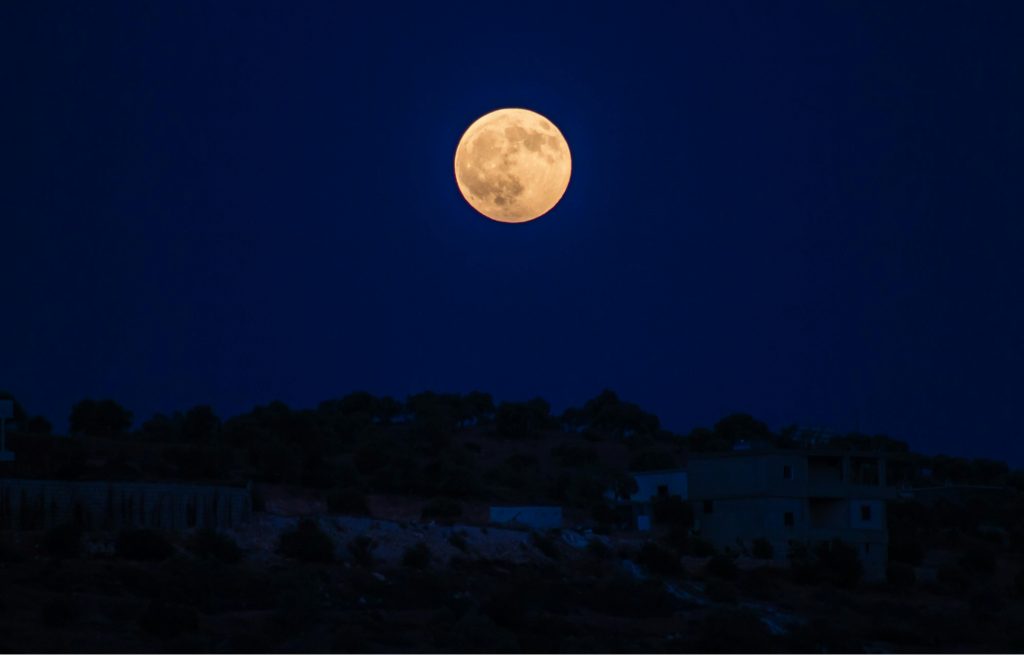
In Japan, the tradition of offering dumplings, rice cakes, pampas grass, and taro to the moon while gazing at it is called “Otsukimi,” or moon viewing.
The tradition of “Otsukimi” is believed to have been introduced from China during the Heian period. Initially, it was a sophisticated event where nobles enjoyed the full moon while sharing sake. By the Edo period, this custom spread to the common people, who began to celebrate the autumn harvest and pray for a bountiful year ahead by offering dumplings shaped like the moon.
Originally, the tradition in China was to pray for family happiness, but in Japan, it evolved into a celebration of a good harvest. Nevertheless, spending time with family and loved ones while gazing at the same moon and enjoying sweets remains a wonderful experience.
Jūgoya
Another name for “Otsukimi” is “Jūgoya” (十五夜), which generally refers to the night of August 15th in the old lunar calendar once used in Japan.
When converting the old lunar calendar to the current Gregorian calendar, Jūgoya falls between mid-September and early October. In the old lunar calendar, which considered autumn to be from July to September, August 15 was the middle of autumn.
Actually, Jūgoya originally referred to the 15th night of every month in the old lunar calendar. Since it takes about 15 days for the moon to transition from a new moon to a full moon, the mid-month would always feature a full moon in this calendar.
Due to the particularly beautiful full moon seen in the clear autumn sky, over time, only August 15th of the old lunar calendar came to be specifically called “Jūgoya.”
Chūshū no Meigetsu

The “the beautiful moon of Mid-Autumn” (中秋の名月, Chūshū no Meigetsu) refers to the moon seen on the night of August 15 in the old lunar calendar. As previously mentioned, autumn was considered to be from July to September in the old calendar, with August 15 being known as Mid-Autumn. The moon that rises on the night of this Mid-Autumn date is called the “Mid-Autumn Moon,” and it became known as “the beautiful moon of Mid-Autumn” because of its particularly beautiful appearance at this time.
Otsukimi Sweets
In 2024, the Mid-Autumn Moon will be on Tuesday, September 17. An essential part of Otsukimi is Otsukimi dango (moon-viewing dumplings). Did you know that the style of these dumplings differs between Kanto and Kansai regions?
In Kanto, the common style is round, plain dumplings, while in Kansai, the traditional style is dumplings shaped like taro, with sweet red bean paste wrapped around them.
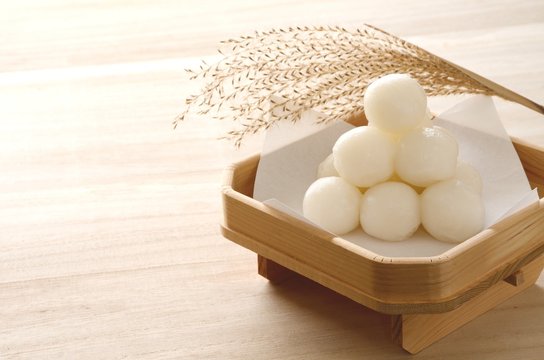
Kanto style
In fact, offerings for the Mid-Autumn Moon were once taro rather than dumplings. This tradition is why, in Kansai, moon-viewing dumplings are shaped like taro. The term “Imo-meigetsu” (芋名月), or “Taro Moon,” reflects this history.
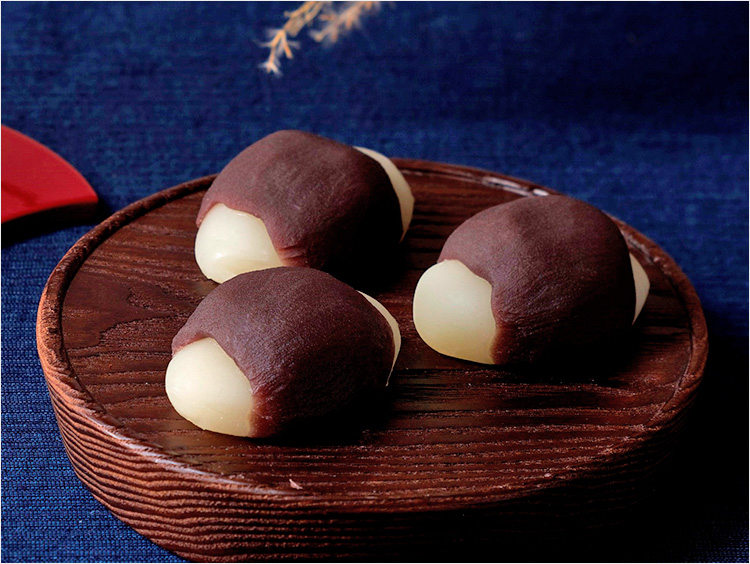
Kansai style
A Unique Tradition – Moon Viewing Thieves
Moon-viewing thieves (お月見泥棒, Otsukimi dorobō) refer to children secretly stealing offerings during the night of the Mid-Autumn Moon. This act is considered permissible only on this night.
Although there are no formal historical records about its origin, it is known that for a long time, offerings on Jūgoya were considered fair game for children to sneakily take or ask for. There were also customs across various regions allowing children to enter fields and steal things like sweet potatoes or persimmons from other houses.
Children were viewed as messengers from the moon, and even the families from which offerings were stolen would often be pleased, believing that having all the offerings taken was a good omen or would lead to a bountiful harvest. Some regions believed that eating the stolen dumplings would ensure good health. This tradition reflects an old wisdom about sharing the blessings of nature and autumn’s harvest rather than keeping them all to oneself.
It’s a charming tradition, isn’t it? Preserving such cultural heritage is something we should cherish and continue.
Pingback: another Otsukimi? – Wada Wagashi