Hello everyone,
When it comes to traditional Japanese sweets that signal the arrival of spring, kusa mochi (mugwort rice cakes) surely come to mind. Their gentle flavor, with the soft aroma of mugwort spreading through each bite, has been loved by many for generations. In this article, we’ll explore the charm, history, and famous shops of kusa mochi.
What is Kusa Mochi?
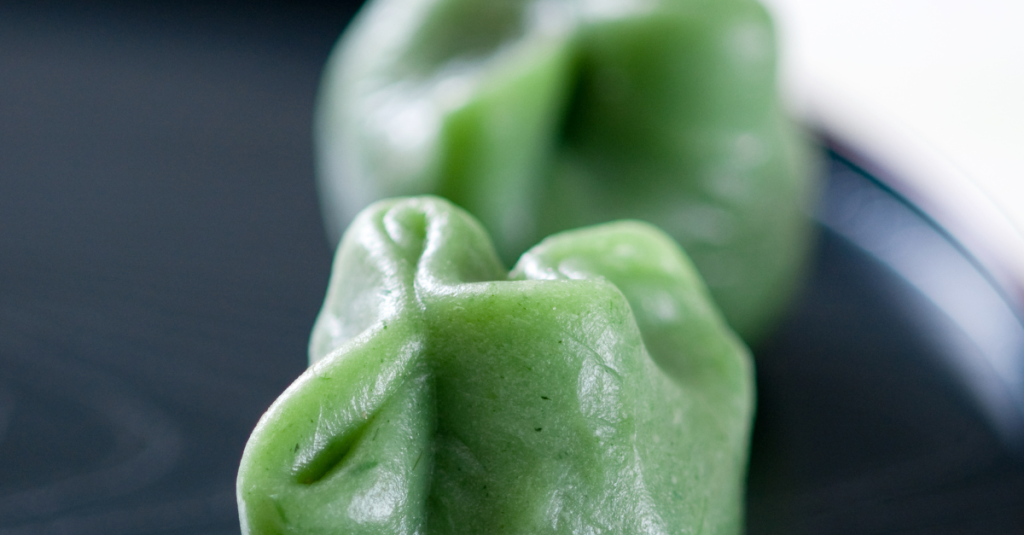
Kusa mochi is rice cake kneaded with boiled leaves such as yomogi (Japanese mugwort).
There are various types—some with sweet red bean paste (anko) inside, others with anko served on top or on the side. Known as a symbol of spring in Japan, kusa mochi is a traditional confection with a long history.
The History of Kusa Mochi
The “kusa” (grass) in kusa mochi typically refers to yomogi nowadays, but in the past, hahakogusa (cudweed, one of the seven herbs of spring) was used.
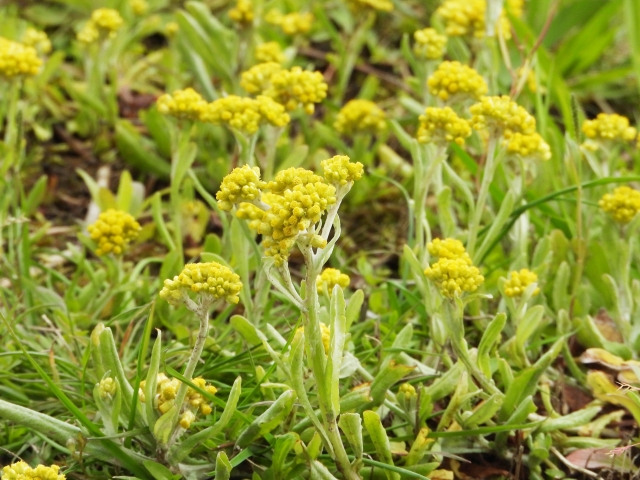
Why did people begin mixing herbs into rice cakes? The practice originated from ancient Chinese customs, where herbs were believed to drive away evil spirits. On Jōshi no Sekku (the traditional festival held on March 3), people would eat herb-infused rice cakes for purification and protection.
This custom was adopted in Japan’s imperial court. In the Edo period, Jōshi no Sekku evolved into Hinamatsuri, the Girls’ Festival, where people wished for the healthy growth of girls. Eating kusa mochi became a part of this celebration as a way to ward off misfortune and impurities. Over time, hahakogusa was largely replaced by yomogi. One reason is that using hahakogusa, which translates to “mother and child grass,” was considered inauspicious because making mochi with it symbolically “crushed” the mother and child together. However, in some regions like Tottori and Okayama, hahakogusa is still used today.
Thus, yomogi mochi is essentially the same as kusa mochi, with the primary herb changing over time.
The Benefits of Yomogi
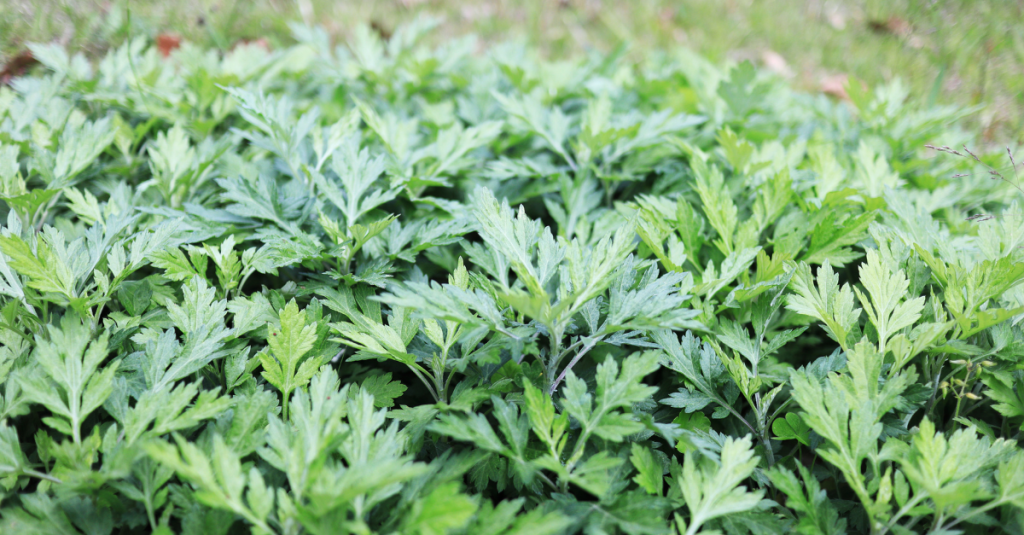
Yomogi has long been treasured in Japan as a medicinal herb. Its distinct fragrance and various health benefits make it popular. It is said to improve blood circulation, helping relieve cold sensitivity and shoulder stiffness. Rich in fiber and vitamins, it’s also great for digestion and beauty care. In recent years, practices like “yomogi steaming” have become popular for their relaxing effects.
Additionally, yomogi has antibacterial and anti-inflammatory properties, and it was traditionally used to treat wounds and skin conditions. Its aroma and gentle bitterness are quite addictive. If you’re looking to support your body naturally, yomogi is a trusty ally.
Types of Kusa Mochi
The most common style of kusa mochi resembles daifuku, with anko inside. But there are many variations. Some are dusted with soybean flour (kinako), while others are enjoyed like regular mochi in soups or grilled. Here are a few examples of different kinds:
●Kusa mochi with anko inside
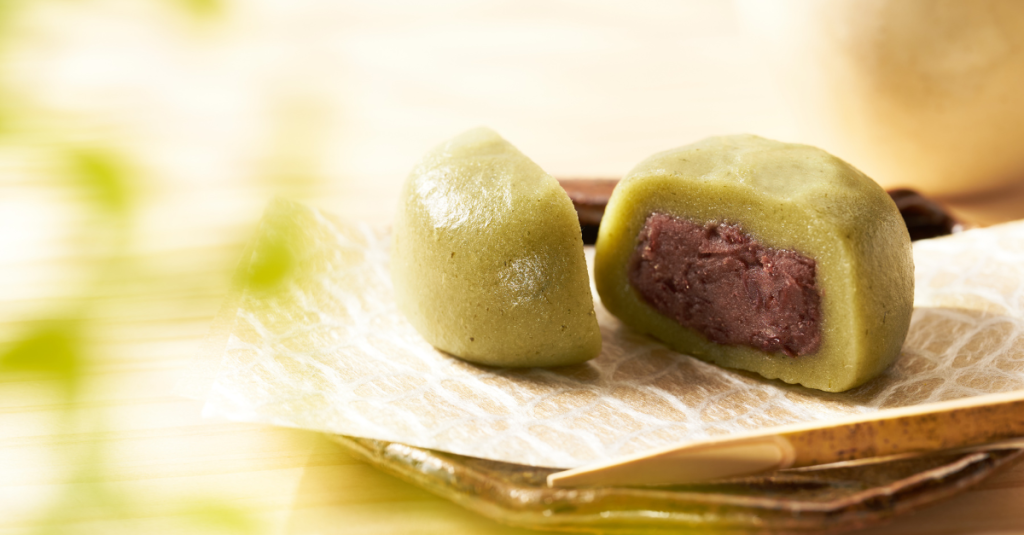
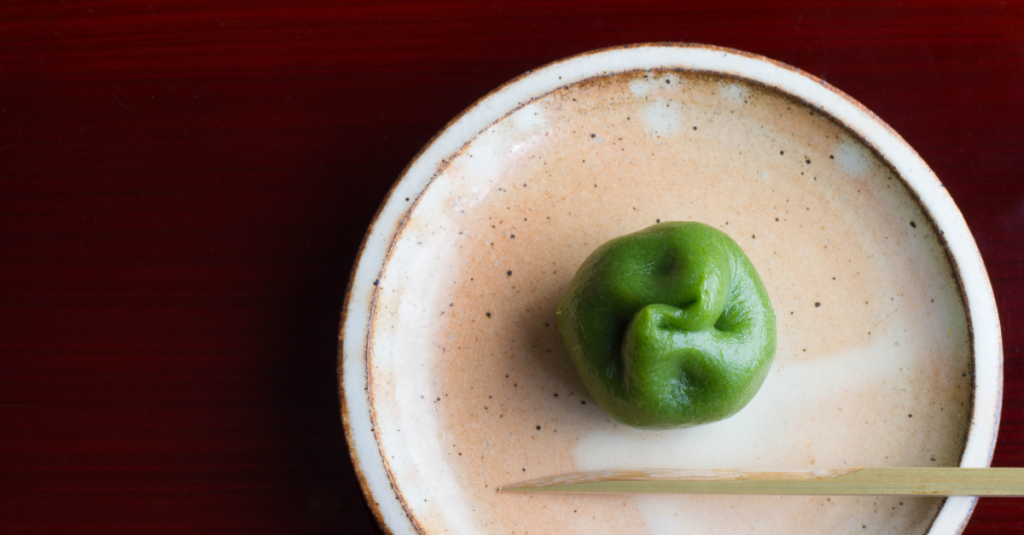
These are filled with red bean paste, either chunky (tsubuan) or smooth (koshian). They come in various shapes—bulb, clam shell, pouch, straw hat, or plover bird.
●Kusa mochi without anko
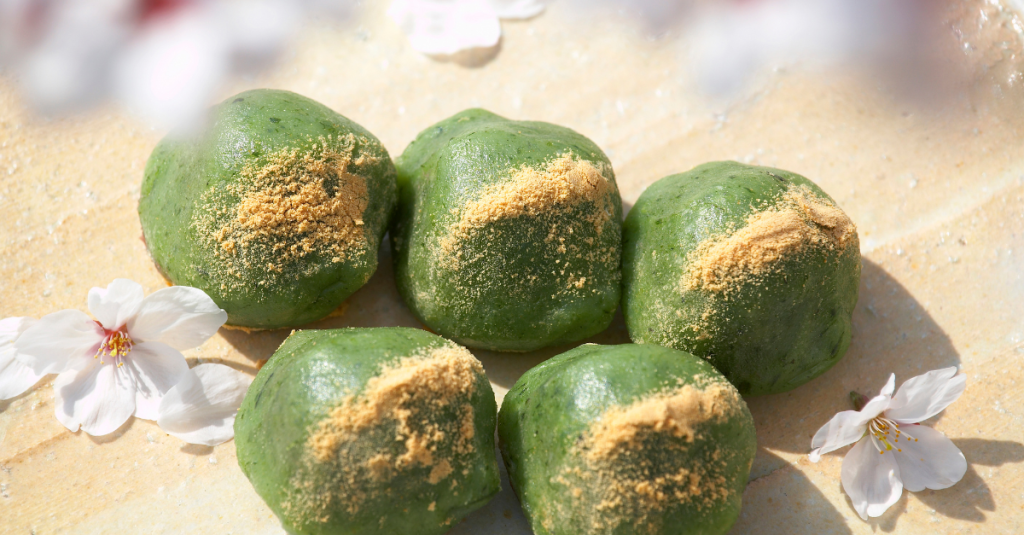
These allow you to fully enjoy the flavor of yomogi. They may be round like dumplings or shaped like plain mochi. You can enjoy them with kinako, syrup, or with anko served on the side.
●Grilled-style kusa mochi
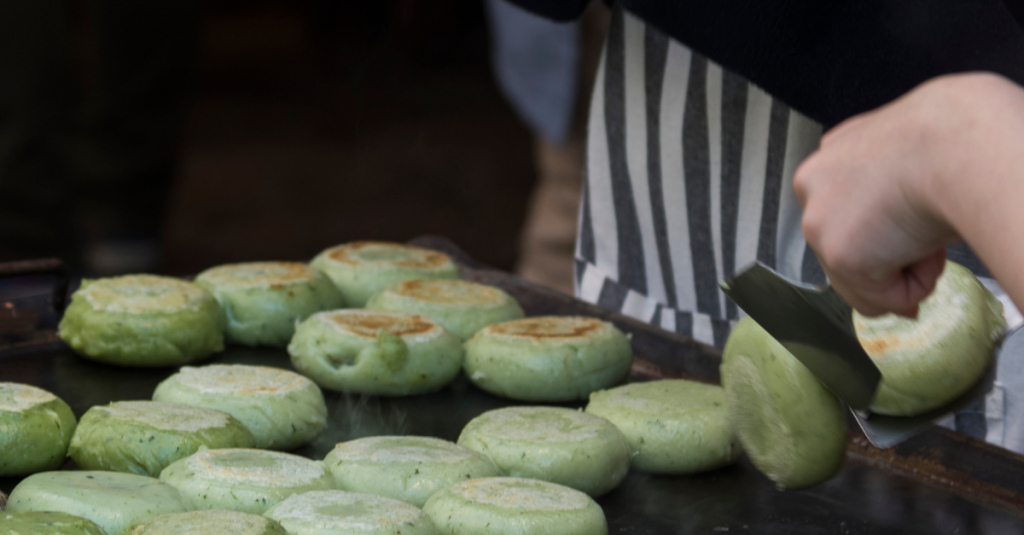
These are lightly grilled, adding a toasty aroma and slightly different texture.
Famous Kusa Mochi Shops in Japan
Here are a few well-known stores that specialize in kusa mochi:
・Nakatani-do (Nara Prefecture)

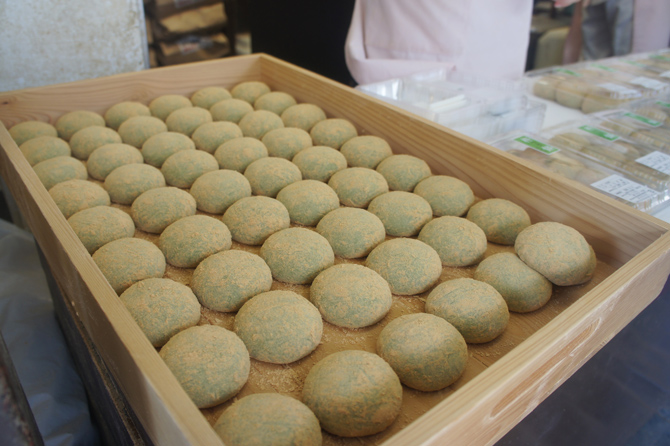
Famous for its lightning-speed mochi-pounding. Their kusa mochi has anko inside. Tourists often line up to watch the live demonstration, which isn’t just for show—it’s all about flavor and texture.
・Chujodo Honpo (Nara Prefecture)
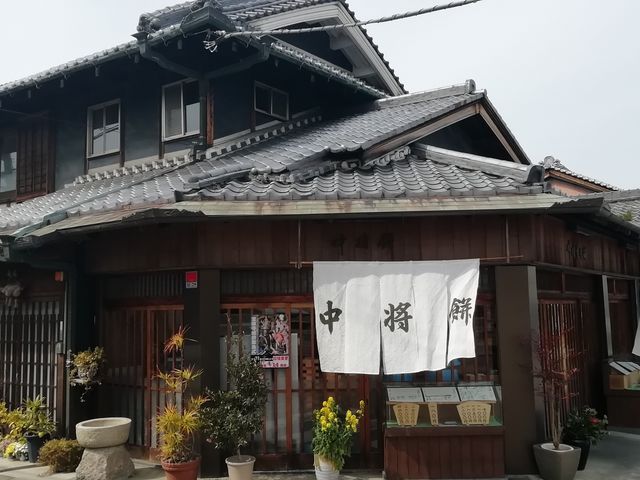

Known for placing anko on top of the mochi rather than wrapping it inside. The balance between the mildly sweet, smooth anko and the fragrant mochi is exceptional.
・Jiman Kusa Mochi (Tokyo)
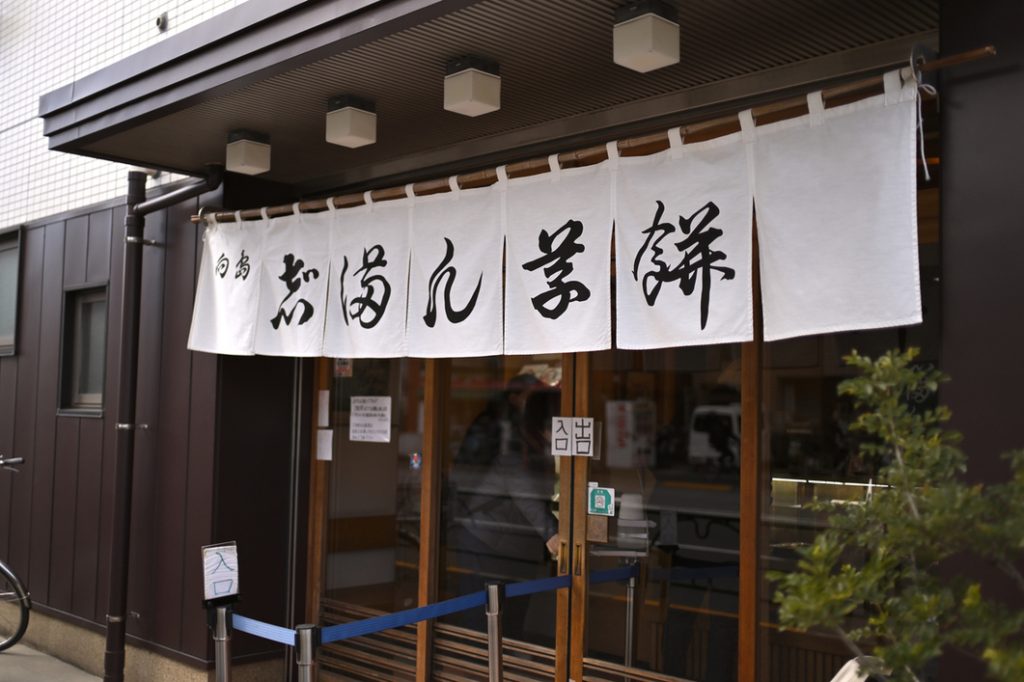

Highly praised for its rich yomogi aroma, soft mochi, and mildly sweet anko. Their anko-free kusa mochi, paired with kinako and syrup, is especially recommended. A popular gift from this long-standing establishment.
Personal Memories of Kusa Mochi
Yomogi used in kusa mochi today comes in three forms: fresh leaves, frozen, and powdered.
At the shop where I trained, we made kusa mochi from fresh yomogi. During kusa mochi season, we’d buy 5 to 10 kilograms of fresh leaves every day and spend the mornings picking leaves off the stems. Mochi made from fresh yomogi had an amazing aroma and tasted fantastic. Even now, when I see wild yomogi growing by the riverside, I’m reminded of those days.
Conclusion
Savoring kusa mochi with the scent of yomogi as spring arrives is a uniquely Japanese seasonal pleasure. Exploring its rich history and the regional differences in how it’s made deepens one’s appreciation for traditional sweets. This spring, why not enjoy a moment of seasonal beauty with fragrant kusa mochi?