Hello everyone,
This time, I traveled to Nara City in search of the roots of manju, one of Japan’s traditional sweets.
Are you familiar with manju?
It’s a soft, fluffy confection made by wrapping sweet red bean paste in dough and steaming it. In Japan, it’s a very familiar type of traditional wagashi (Japanese confectionery).
Interestingly, the place considered to be the origin of manju is located in the heart of Nara City, Nara Prefecture.
I followed the map to get there, but the place was so modest and tucked away that I almost walked right past it without realizing!
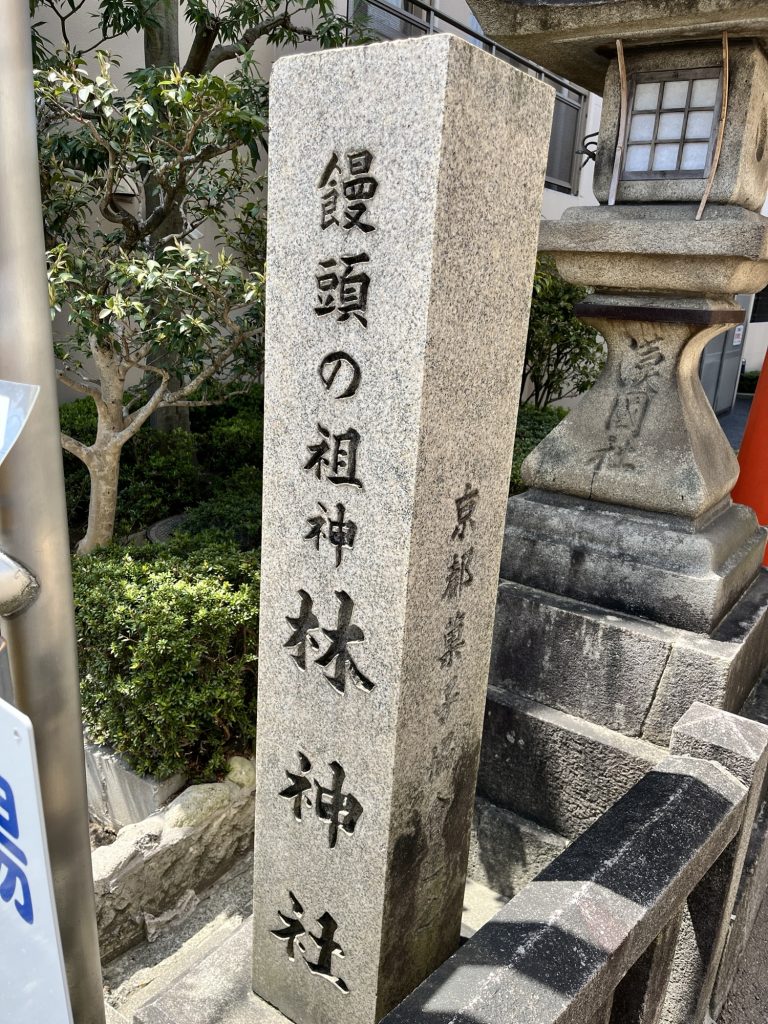
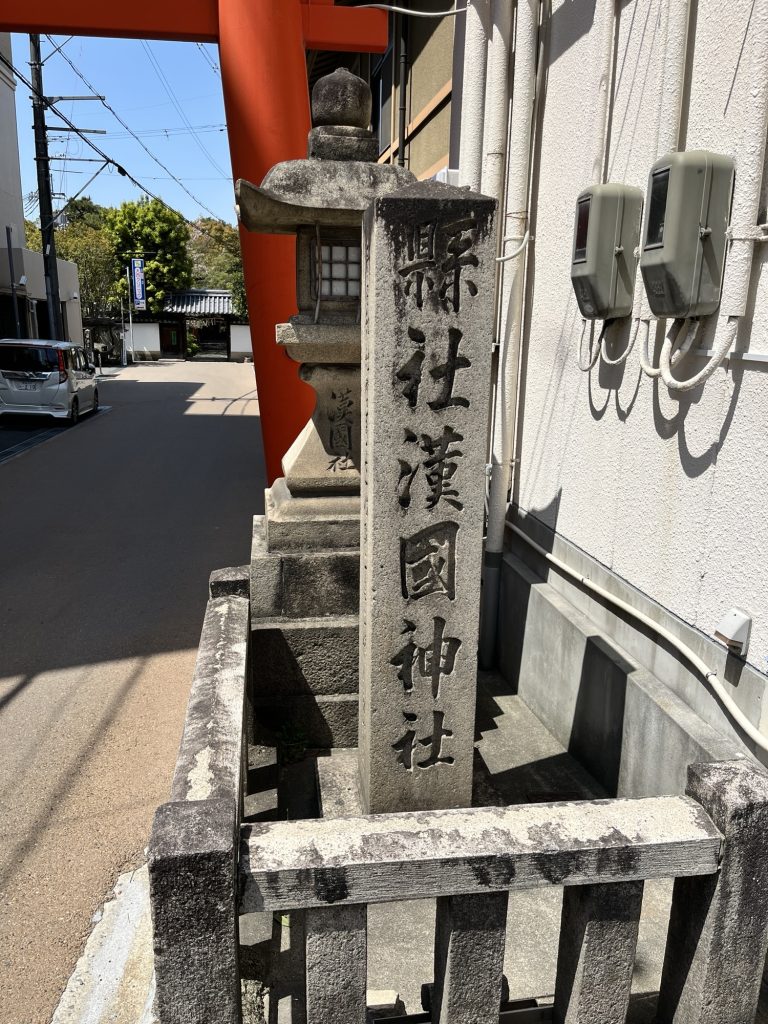
Once I stepped through the entrance and into the grounds, it felt surprisingly serene for being in the middle of a city—almost as if the air was a little more refined. It was a strangely calming space.
Passing under the torii gate, I entered the shrine grounds.
There were several small shrines, each dedicated to different deities. One of them is Hayashi Shrine, which is dedicated to a man named Rin Jo-in (Lin Jōin), who is said to have made the first manju in Japan.
Rin Jo-in was a monk from China during the Muromachi period. He came to Japan accompanying Ryūzan Tokken, who served at Kennin-ji Temple in Kyoto, and later began making manju in Nara.
The manju he made were filled with red bean paste and steamed, and they were said to be a big hit, suiting the Japanese palate very well. His descendants later founded the famous manju shop “Shiose Sōhonke,” which continues to preserve the traditional taste to this day.
At one time, Nara was so famous for manju that people would say, “When you think of manju, think of Nara. When you think of Nara, think of manju.” The streets were once lined with many manju shops.
The day I visited happened to be the annual Manju Festival. Many related individuals attended the event, creating a festive yet solemn atmosphere.
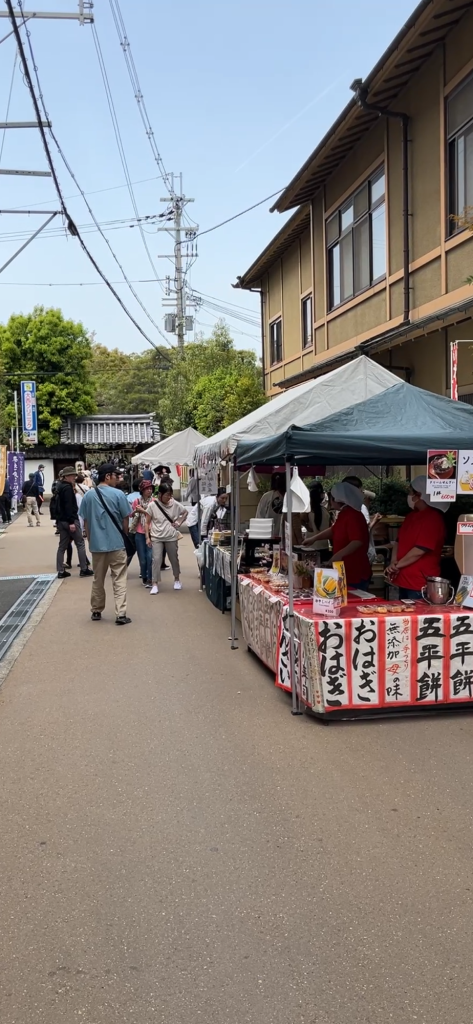
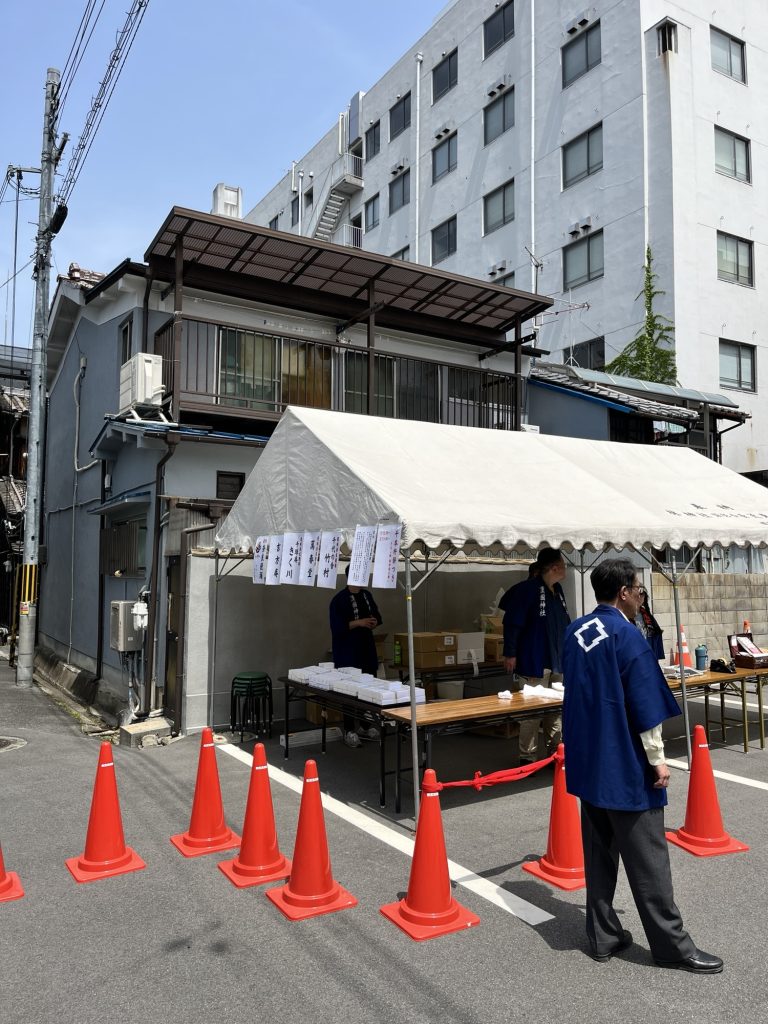
I offered a prayer of gratitude to Rin Jo-in.
On the way back, I bought a souvenir, Nara manju, that replicates the original version from back then.
It was jōyo manju made from yam and rice flour, topped with a slight reddish hue at the peak. It looked adorable and had a soft, delicate flavor.
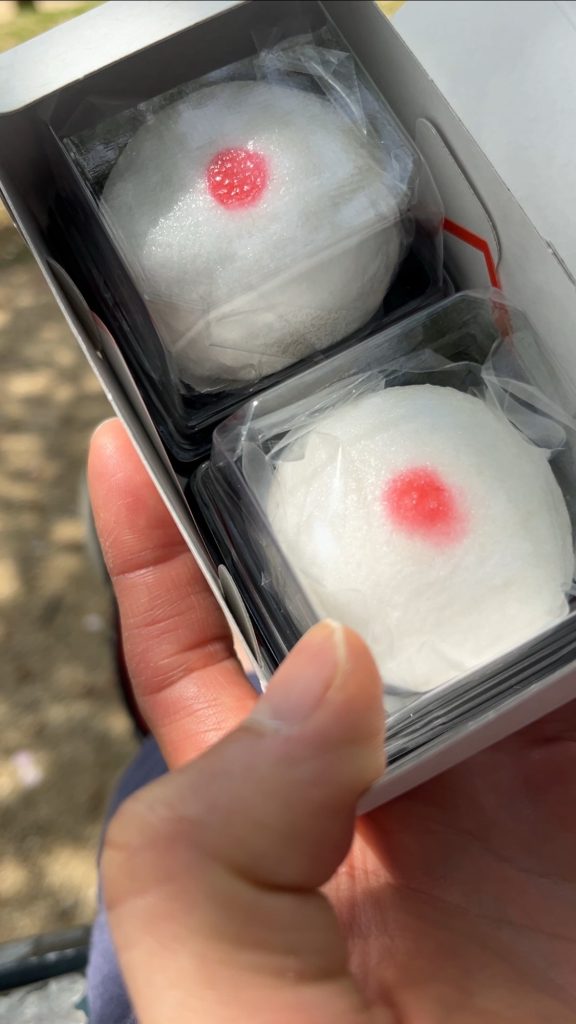
Nara Manju
Being able to make a traditional Japanese sweet like this, one that’s still passed down to this day, is something I truly appreciate.
I hope to continue taking journeys to explore the roots of wagashi in the future.
5 Kangokucho, Nara, 630-8242