Hello, everyone!
In Japan, there are many celebrations to mark children’s growth, and today I would like to talk about one of them, “issho mochi.
What is issho mochi?
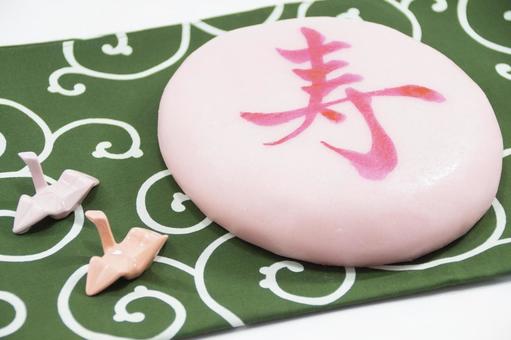
“Issho mochi” generally refers to a round rice cake (mochi) made from one shō (about 1.8 liters) of glutinous rice, used to celebrate a child’s first birthday.
Issho mochi is also commonly used in celebrations like New Year’s and the construction ceremony of a house. Its round shape is likened to one of the Three Sacred Treasures, the “Yata no Kagami,” and it’s also called “kagamimochi.”
It’s not commonly known, but kagamimochi and issho mochi are the same thing! While it is commonly referred to as “kagamimochi” during New Year’s and construction ceremonies, it is mostly called “issho mochi” specifically for celebrating a child’s first birthday.
Issho mochi refers not only to the rice cake itself but also to the celebration or ritual for a child’s first birthday. It has become a tradition passed down in various regions of Japan.
Japan didn’t have the custom of annual birthday
The first birthday is called “hatsu tanjō,” and there is a surprising fact hidden within this term.
The practice of “celebrating birthdays” actually came from Western culture. In fact, Japan originally did not have the custom of celebrating each birthday annually after the first one.
However, many infants died shortly after birth, so reaching the first birthday was considered a special milestone.
As a result, there was a custom in Japan to celebrate the first birthday with great festivity.
Hatsu tanjō is an important ceremony that signifies not only the safe arrival at the first birthday but also carries the hope for the child’s continued health and growth in the future.
the meanings of issho mochi cerebration
Mochi has long been considered a good luck charm used in various celebrations and festivals.
Issho mochi carries a dual meaning with “issho” (one shō) and “isshō” (a lifetime), and its round, flat shape symbolizes several wishes, including:
- To never go hungry throughout one’s life
- To live a healthy and vigorous life
- To have a harmonious and fulfilling life
These hopes are all embedded in the significance of issho mochi.
issho mochi ceremony
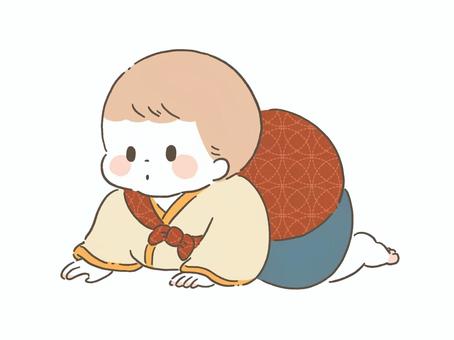
Across Japan, there are various ways to celebrate with issho mochi, but a common method is to have the child carry the round mochi on their back. In some regions, there are also traditions where the child steps on the mochi as part of the celebration.
That said, the issho mochi weighs about 2 kilograms, which is likely a weight that a one-year-old child has never experienced before. Some children may struggle to carry it or may have difficulty standing while trying to do so.
Of course, since this is a ceremony to celebrate growth, it’s perfectly fine if the child can’t carry the mochi or stand.
- If the child stands up, it symbolizes “being able to stand on their own.”
- If they sit down, it represents “staying at home and continuing the family.”
- If they fall, it is seen as “casting off misfortune.”
In any case, it’s considered auspicious!
When I carried the issho mochi, I apparently stood still, trying hard to bear the weight. My mother thought, “This child will grow up to be patient.”
at wagashi shops
In the past, families would make issho mochi themselves for celebrations, but now it’s more common to buy it from a wagashi shop. These shops make the mochi to order, preparing each piece by hand for every celebration.
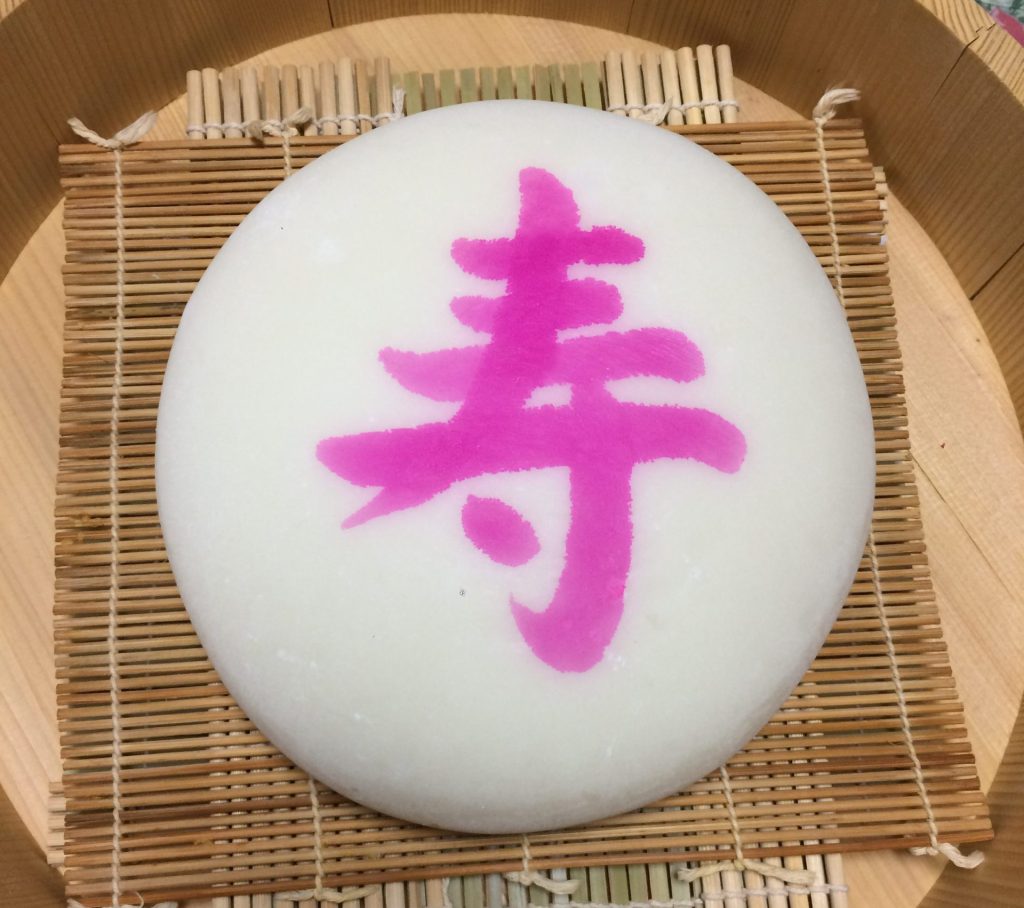
Creating a beautifully shaped round mochi requires skilled craftsmanship, and I still find it challenging to make a perfectly shaped issho mochi myself.
Once completed, the mochi is often decorated with red food coloring, writing “寿” (longevity) or the child’s name. Some shops even provide the carrying bag as part of the service.
For this once-in-a-lifetime celebration of your child, why not consider using issho mochi to honor the occasion?
It’s a meaningful tradition that carries heartfelt wishes for their future.