Hello, everyone!
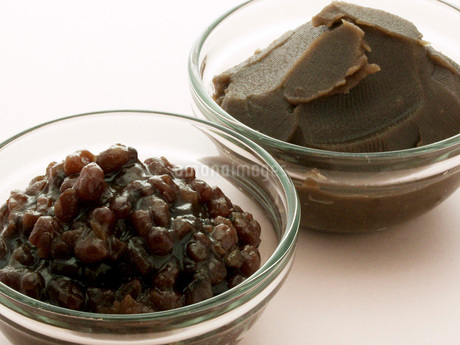
Are you a fan of smooth red bean paste (koshian) or chunky red bean paste (tsubuan)? Some people love the smooth texture of koshian, while others prefer the rich flavor and texture of tsubuan. Personally, I enjoy both, as each type pairs best with different sweets.
In discussing wagashi (Japanese sweets), anko (bean paste) is essential—it’s the foundation and soul of these treats. For wagashi artisans, the quality of anko can significantly influence the final product. Today, let’s delve into the world of anko!
Definition of Anko
Anko is one of Japan’s traditional sweets and is primarily made from beans. While adzuki beans are the most common, other varieties like white kidney beans and green peas are also used. Anko is essentially a paste made by cooking starchy ingredients with sugar.
Was Anko Originally Sweet?
Anko was introduced from China during the Asuka period (550-710 CE) and was initially a meat paste. During the Kamakura period (1185-1333) Zen monks replaced the meat with adzuki beans.
Originally, this anko was salty rather than sweet and reserved for the upper class until the Edo period (1603-1868), when sugar became widely available.
So Many Types? Various Classifications of Anko
When you think of anko, you might first picture “tsubuan” and “koshian.” However, there are many other classification methods for anko, based on ingredients, preparation methods, and sugar content.
Since a detailed breakdown could get quite lengthy, I’ll explain the types based on three points: ingredients, preparation methods, and sugar content.
The ingredient classification refers to the types of beans used, the preparation method refers to how it’s made, and the sugar content relates to the ratios of white sugar or syrup.
Let’s take a look at each main classification one by one.
Types of Anko Based on Ingredients
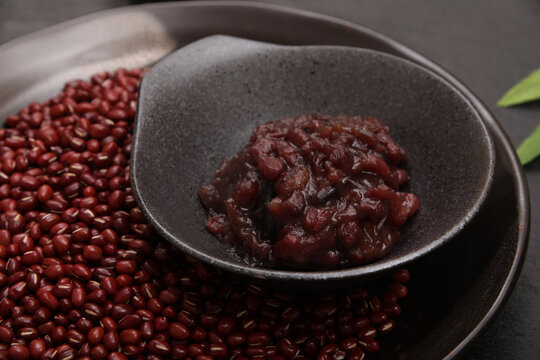
Adzuki An (Red Anko)
The most representative form of anko is adzuki anko, commonly used in wagashi like manju. This type of anko is made from adzuki beans and other red beans, collectively referred to as red anko.
Shiro An (White Anko)
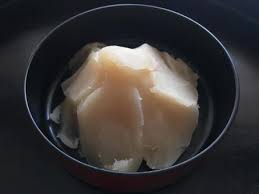
In contrast to red anko, shiro anko is made from white beans such as white kidney beans, white azuki beans, or white soybeans.
Koshian, a smooth paste with no chunks, is the most common form, and it can also be mixed into manju dough to add moisture.
Its mild flavor pairs well with other ingredients, making it a base for processed anko flavors like matcha or fruit anko.
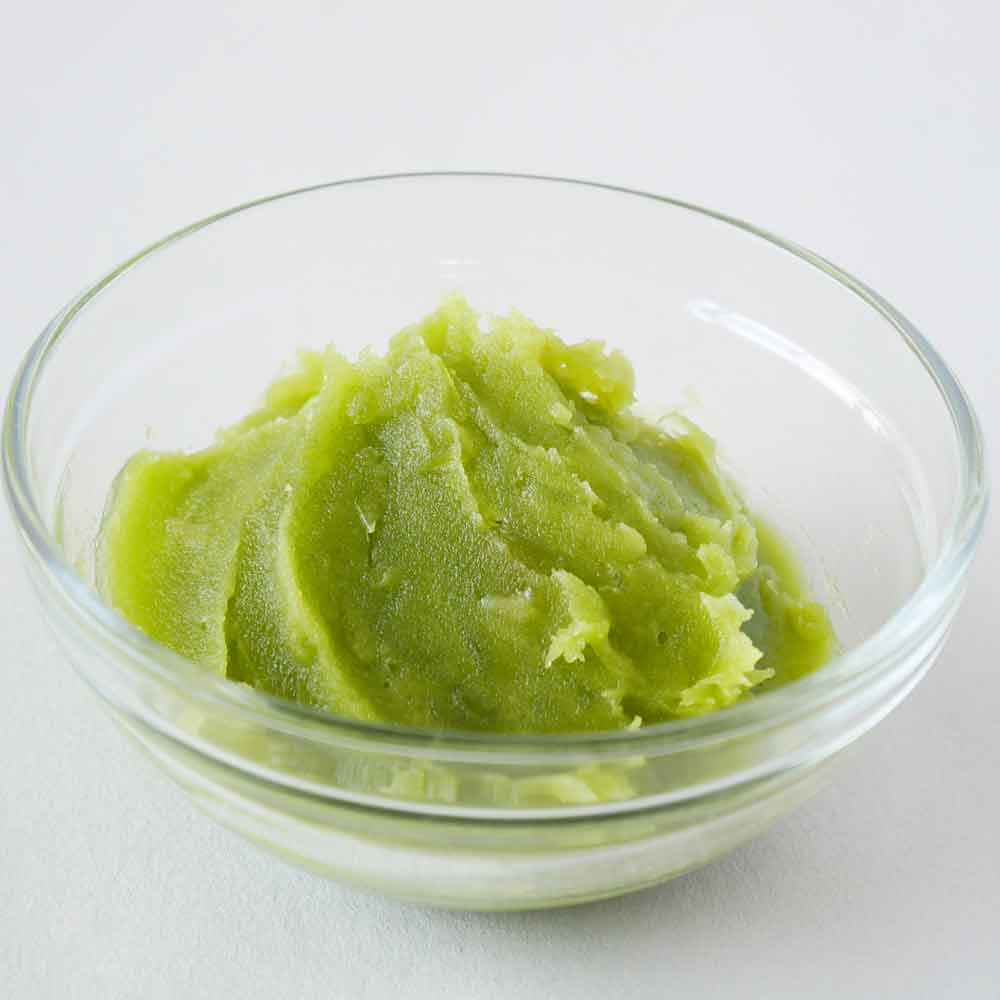
Uguisu An
This type of anko is made from green peas and has a beautiful green color reminiscent of the uguisu (bush warbler) bird. Green peas, also known as uguisu beans, are the same as those used in Western cuisine.
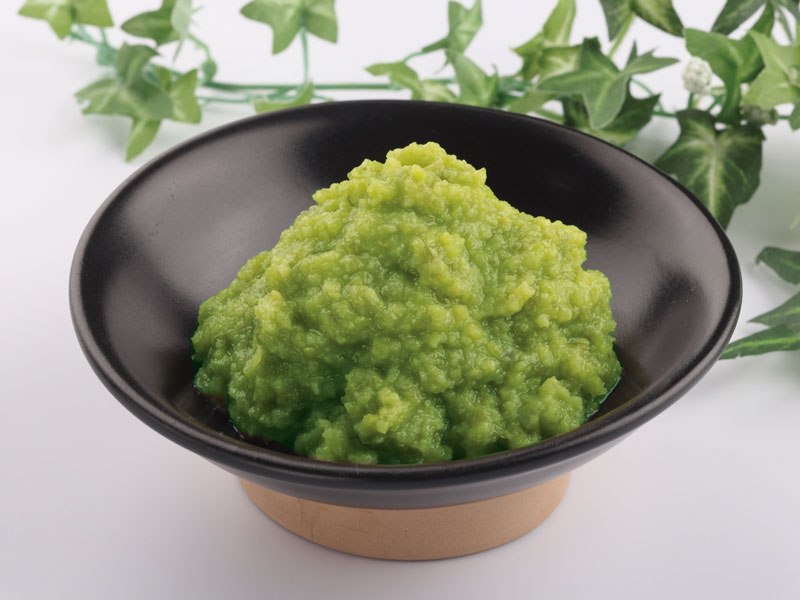
Zunda An
Similar in color, zunda anko is made from edamame. It is a specialty of Yamagata and Miyagi prefectures and is famously used in local dishes like zunda mochi. Edamame is a summer delicacy, making it a beloved seasonal treat.
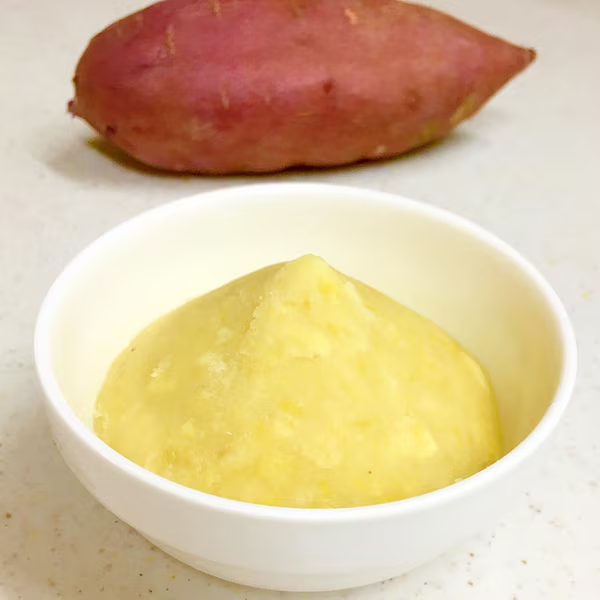
Imo An
This anko is primarily made from sweet potatoes, offering a distinct flavor and texture that differs from bean-based anko. It is commonly used in baked goods and in sweet potato yokan.
Types of Anko Based on Preparation Methods
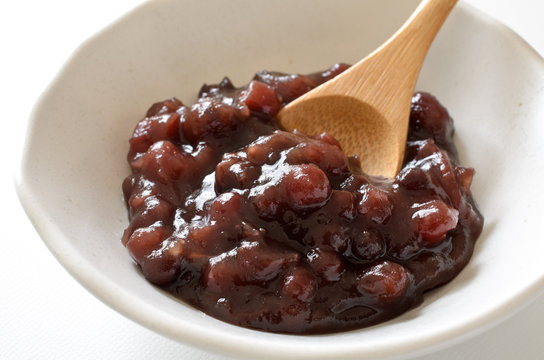
Tsubuan
This term refers to anko made without crushing or straining cooked adzuki beans, maintaining as much of the bean’s shape as possible.
It allows you to enjoy the texture and mouthfeel of the beans, making it a favorite for those who appreciate the natural qualities of the beans.
Dora An
A type of tsubuan used specifically for dorayaki (a type of pancake sandwich). It is made softer to complement the dorayaki skin and often includes a small amount of agar to maintain its shape while being softer than regular tsubuan.
The preparation method can vary slightly between the Kanto and Kansai regions.
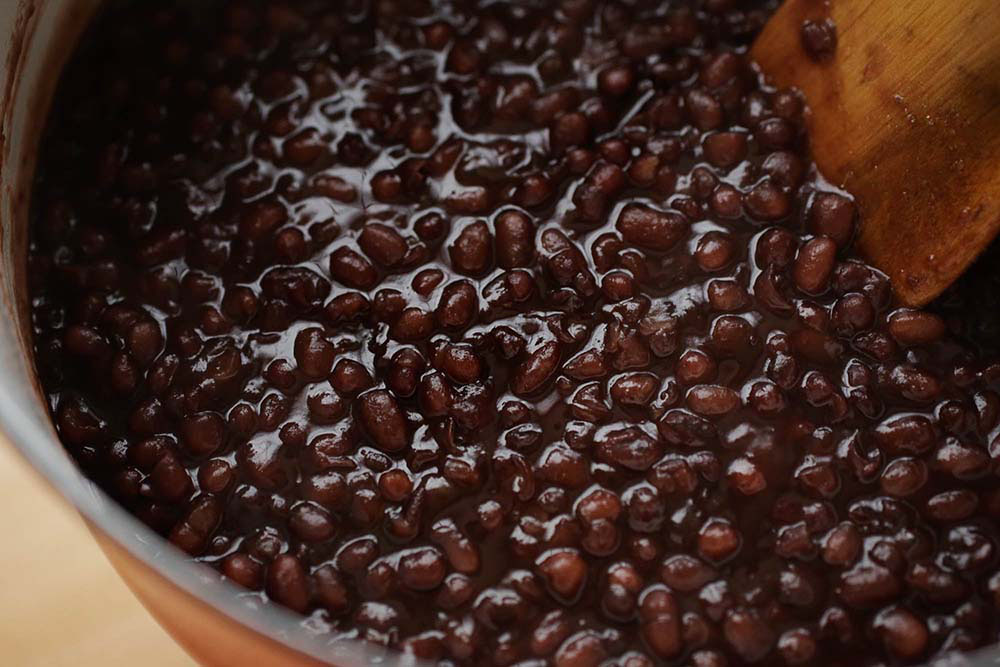
Koshian
Unlike tsubuan, koshian is made by removing the bean skins and using the starchy part of the beans to create a smooth paste. This results in a very silky texture, offering a smooth mouthfeel.
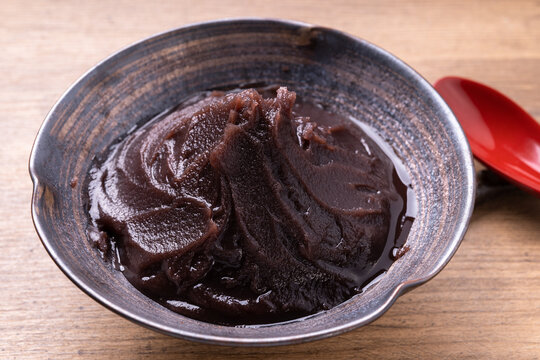
Tsubushi An
This type of anko involves intentionally crushing tsubuan to create a paste while retaining some of the outer skin’s unique adzuki flavor. It provides a taste experience that is between tsubuan and koshian.
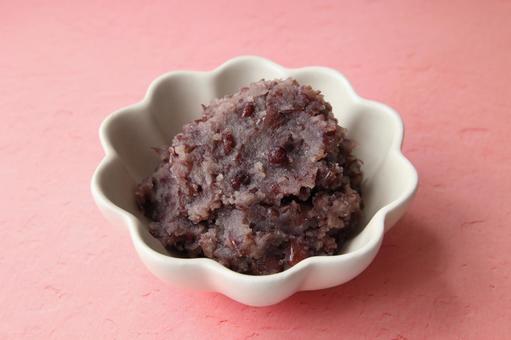
Ogura An
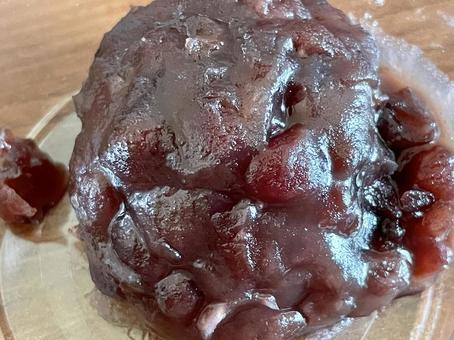
This refers to koshian (or zubushi an) mixed with whole cooked adzuki beans that have been simmered in sugar. It typically combines standard koshian with large, firm adzuki beans(Dainagon), allowing for a pronounced bean texture.
The name originates from Ogurayama in Kyoto, where the adzuki beans were cultivated.
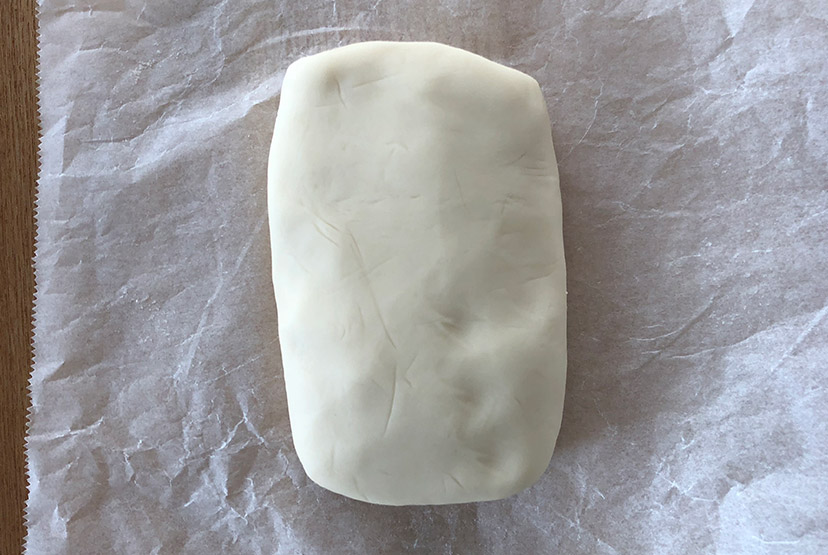
Nerikiri An
This is a type of anko made by mixing white anko with ingredients like mochi flour, yam, and wheat flour, then kneading it together. When colored and shaped, it becomes “nerikiri,” a well-known type of wagashi often used for upscale confections.
Types of Anko Based on Sugar Content
Now, let’s delve into some more specialized information geared towards those who make wagashi.
Many wagashi shops adjust the moisture and sugar ratios in their anko depending on its intended use, producing varieties such as nama an, nami an, naka wari an, and ue wari an. Less sugar allows for a stronger bean flavor, while more sugar weakens the flavor but increases shelf life. Each wagashi shop balances taste and preservation when creating their anko.
- Nama An: This refers to anko before any sugar is added.
- Nami An: This is nama an with 60% sugar added. It is commonly used in fresh sweets like steamed buns (manju) and daifuku.
- Chu Wari An: This is nama an with 70% sugar added, typically used as filling in baked goods.
- Jou Wari An: This contains over 75% sugar relative to nama an and is used in jounamagashi. Note that the “jou” in jou wari an means “more” in terms of jounamagashi, not “upper quality.”
- Monaka An: This consists of tsubuan mixed with 100% sugar and agar. The addition of agar prevents the sugar from crystallizing, resulting in a product with a long shelf life.
Other Varieties of Anko
There are also various types of anko that incorporate additional ingredients to create different flavors. White anko serves as a base because of its subtle taste, which pairs well with a variety of other ingredients.
For example, there are “kimi an,” which includes egg yolk; “matcha an,” which is infused with matcha; and “milk an,” made with butter or fresh cream. The number of anko varieties is virtually limitless, depending on the additional ingredients used.
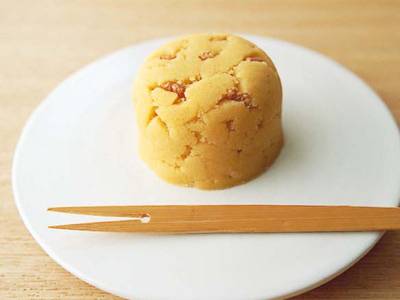
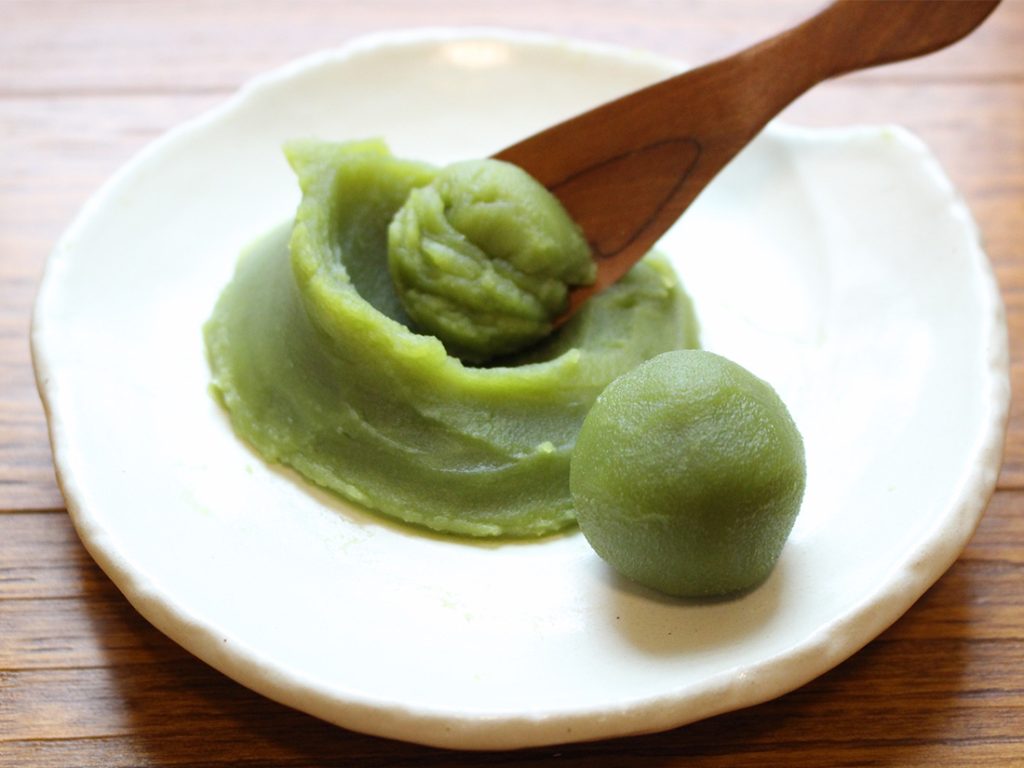
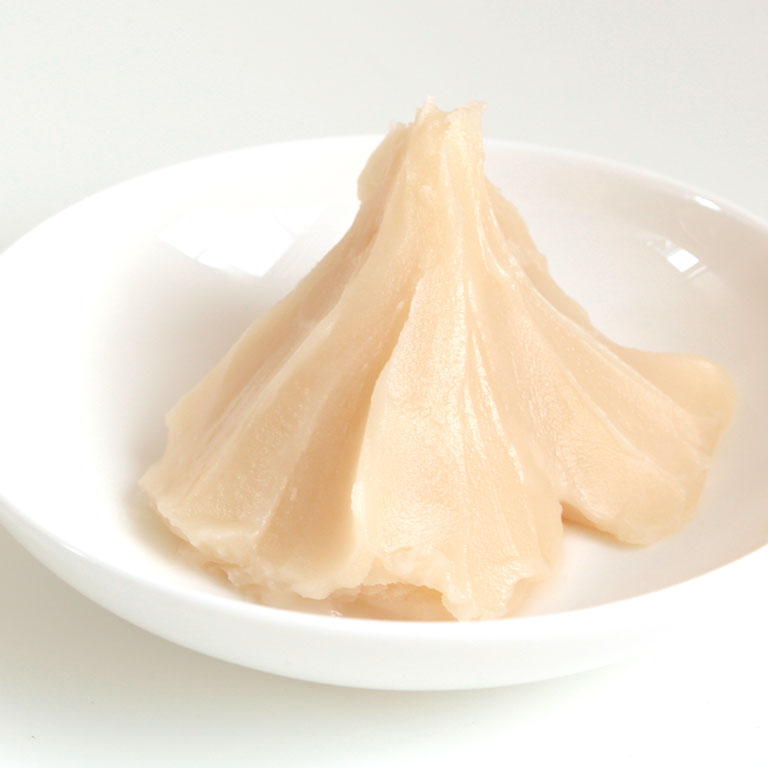
While I won’t cover all the details today to keep this brief, I hope to introduce various flavored anko in the future.
The Depth of the Anko World
So that’s just the brief answer to the question “what is anko”—what did you think? Even though it’s all categorized under the term “anko,” there are so many varieties, each with its unique characteristics. The more you research, the deeper the world of anko becomes.
In addition to the classifications based on ingredients, preparation methods, and sugar content that I explained, there are also different names based on the types of sugar used, each varying in sweetness and flavor. I’ll provide more detailed explanations on this in a future post.
For those from overseas, sweetened beans might not be very familiar, but when you come to Japan, be sure to try various types of anko and discover your favorite!