Wada Wagashi

English-speaking Wagashi Chef. 10 years experience. Graduate of Tokyo Confectionery School. Spreading wagashi culture from 🇯🇵→🌎

Kusa mochi

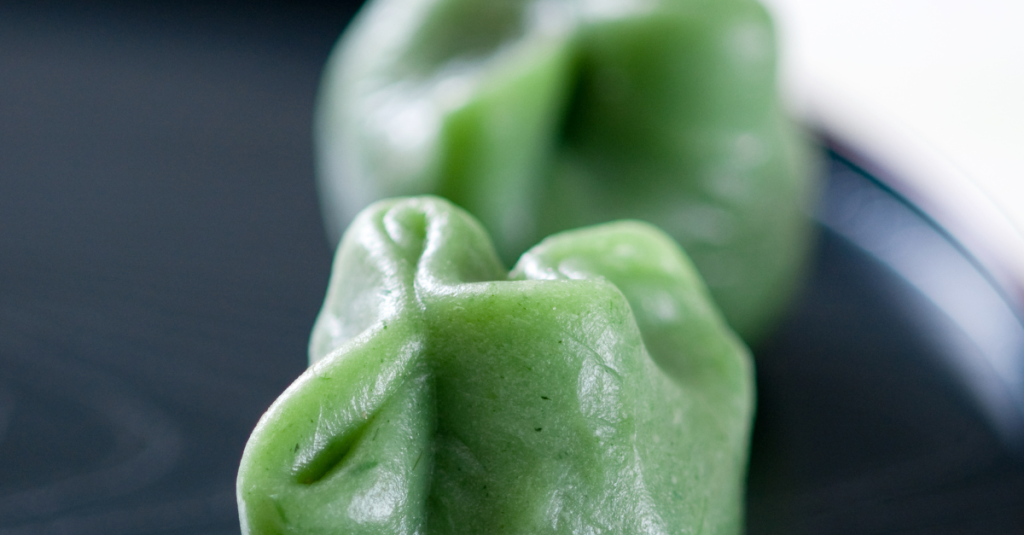
Hello everyone, When it comes to traditional Japanese sweets that signal the arrival of spring, kusa mochi (mugwort rice cakes) surely come to mind. Their gentle flavor, with the soft aroma of mugwort spreading through each bite, has been loved by many for generations. In this article, we’ll explore the charm, history, and famous shops of kusa mochi. What is Kusa Mochi? Kusa mochi is rice cake kneaded with boiled leaves such as yomogi (Japanese mugwort). There are various types—some with sweet red bean paste (anko) inside, others with anko served on top or on the side. Known as a symbol of spring in Japan, kusa mochi is a traditional […]

Kusa mochi Read More »

handmade wagashi workshop of spring

Hello everyone, You can really feel the signs of spring more and more with each passing day. On March 25th, we held a wagashi (Japanese sweets) workshop with a spring-themed focus. This time, we made two classic seasonal sweets: Ichigo Daifuku (strawberry mochi) and Sakura Mochi (cherry blossom rice cakes). For this session, I intentionally skipped the usual prep work and waited until arriving on-site to measure ingredients and prepare. However, I couldn’t quite get everything ready before the scheduled start time, so things were a bit hectic at the beginning… Even so, we managed to kick things off safely! We started with making the dough for the sakura mochi.

handmade wagashi workshop of spring Read More »

Hina matsuri – Girls’ festival

Hello everyone, March 3rd is “Hina Matsuri,” also known as the Girls’ Festival. It is a traditional Japanese celebration wishing for the healthy growth and happiness of girls. During Hina Matsuri, it is customary to display hina dolls and enjoy special foods. Today, I will introduce the origin of Hina Matsuri and how people celebrate it! the origin of hina matsuri The history of Hina Matsuri dates back over 1,000 years to the Heian period. Originally, there was a custom called “Nagashi-bina,” where paper dolls (called hitogata) were floated down rivers to ward off evil spirits. This practice gradually evolved, eventually transforming into the current tradition of displaying hina dolls.。

Hina matsuri – Girls’ festival Read More »

February wagashi workshop

Hello everyone, The other day, on February 15th, I held a Wagashi Experience class. The theme this time was Hinamatsuri (Girls’ Festival), and the sweets we made were nerikiri-style male and female Hina dolls. When thinking about the design of the sweets for the lesson, I didn’t want to follow the usual method of wrapping the filling and adding lines. Instead, I wanted to emphasize the kimono feel, so this time I decided to roll out the nerikiri, cut it, and wrap it around the bean paste to create the dolls. In my original plan, I had thought of making both the male and female Hina dolls together as a

February wagashi workshop Read More »

Spring’s Messenger – Uguisu Mochi

Hello everyone, It feels like the new year just started, and now January is already coming to an end. The cold weather is still harsh, and we’re all eagerly waiting for the arrival of spring. As the cold begins to ease and the first signs of spring start to appear, one of the traditional treats you’ll see at wagashi shops is uguisu mochi. This elegant treat consists of soft gyuhi (a type of chewy rice dough) wrapped around sweet red bean paste, and is dusted with roasted soybean flour or green soybean flour. Today, I’d like to share with you the origin and preparation method of this seasonal delicacy that

Spring’s Messenger – Uguisu Mochi Read More »

dorayaki party

On the recent holiday, November 24th, I hosted a dorayaki (Japanese sweet pancake) party. We used hot plates to make mini dorayaki, and everyone added their own toppings. It was a fun party where everyone made their own unique dorayaki and had a great time. Preparing the Sweet Red Bean Paste (Dorayaki Filling) For this occasion, I began preparing the sweet red bean paste (anko) a week in advance. I searched for ways to make anko easily at home and tried two different methods after looking through various recipes. The first method I tried was using a rice cooker. I added the adzuki beans to the rice cooker and set

dorayaki party Read More »

wagashi experience class in autumn

Hello everyone, On November 10th, I held my Wagashi Experience class in Osaka. The theme for this session was “Autumn.”The sweets we made were “Momiji” (maple leaves) and “Yamayosou” (autumn attire), both crafted using nerikiri (a type of soft dough). These sweets were inspired by the beauty of autumn. “I want to do more than just teach people how to make wagashi; I want to share as much as I can about wagashi itself,” I thought. So, for this session, I decided to display a few of the wagashi tools I personally use. I displayed the tools near the entrance and, before starting the lesson, I gave a brief introduction

wagashi experience class in autumn Read More »

Shichi-Go-San

Hello everyone, The temperature has dropped significantly, and it feels more like autumn now. October is coming to an end, and November is just around the corner. One of the notable events in November in Japan is Shichi-Go-San. Shichi-Go-San (七五三) is one of Japan’s traditional ceremonies that has been celebrated for a long time. Although there are regional variations, it is basically a tradition for three-year-old girls, five-year-old boys, and seven-year-old girls and their families to visit shrines on November 15th to express gratitude and celebrate the growth of the children. the origin of Shichi-Go-San There are various theories regarding the origins of Shichi-Go-San, but it is said to be

Shichi-Go-San Read More »